
Should I Remodel Before Selling My Louisville Home?
By Tim Hollinden, Broker Associate | The Hollinden Team at eXp Realty
Quick Answer
Most sellers ask this question at exactly the wrong time — after they've already decided to remodel, and before they've talked to anyone about whether it makes sense.
Here's the honest answer: some improvements pay off when you sell. Most don't — at least not in the way sellers expect. And a few can actually hurt you.
The decision isn't about what would make the home nicer. It's about what today's buyers in your specific market are actually willing to pay more for. Those are two very different questions, and confusing them is one of the most expensive mistakes sellers make.
What You'll Learn
- Why most major remodels don't return their full cost at sale
- Which improvements typically make a meaningful difference in Louisville
- Which projects sellers almost always regret
- The difference between improvements that increase value and improvements that prevent lost value
- How to think about this decision without wasting time or money
- What my builder background tells me that most agents won't say
Tim's Take
I get asked this question constantly. And I'll be honest — it's one of the harder conversations I have with sellers, because the answer they want to hear and the answer that's actually true are often different.
Sellers want to hear: yes, put in the kitchen, update the bathrooms, and you'll get it all back plus more.
The reality is usually more complicated than that.
My background as a builder gives me a perspective on this that I think is genuinely different from most agents. I know what things cost to build — not just what they cost at retail, but what labor, materials, and time actually add up to. I know where the margin lives and where it disappears.
And what I've seen over 24 years of selling homes in Louisville is this: sellers who approach pre-sale improvements strategically almost always come out ahead. Sellers who approach it emotionally — doing what they wish they'd done while they lived there — almost always spend more than they recover.
The question isn't whether to improve the home. The question is which improvements, to what standard, at what cost, in what timeframe.
One of the biggest mistakes I see is sellers making renovation decisions before they know what their home is worth in today's market. That number has to come first — because it changes everything that follows. If you're in that position, I'd encourage you to read our guide on how much your Louisville home is worth before making any spending decisions.
Let me walk through how I think about this.
The Builder Perspective
Here's something I can offer that most agents can't.
I know what things actually cost to build and renovate. Not the retail estimate. The real number — labor, materials, timeline, contingency.
When a seller tells me they're thinking about a $30,000 kitchen renovation, I can tell them what that $30,000 actually buys in today's Louisville market. I can tell them whether the cabinets they're planning are builder-grade or mid-range and what that distinction means for how buyers perceive them. I can tell them whether a particular contractor's estimate is reasonable or whether they're about to pay significantly more than the market warrants.
That knowledge changes the decision.
I've seen this in neighborhoods ranging from St. Matthews and Lake Forest to Oldham County and Prospect. The specific numbers vary by price range and location. But the pattern is consistent: sellers who understand what improvements actually cost — and what buyers actually value — make better decisions than sellers who don't.
I've had sellers who were planning to spend $50,000 on pre-sale improvements walk away having spent $8,000 — and sell faster and for more than they expected. Not because they did less, but because they did the right things.
And I've had sellers who spent $40,000 on a kitchen renovation and recovered less than half of it at closing — because no one stopped them before they started.
The difference between those two outcomes is usually a conversation that happened — or didn't — before the contractor showed up.
The Fundamental Mistake Most Sellers Make
They think about improvements from the perspective of a homeowner — what would make this home better to live in?
That's the wrong frame.
When you're preparing to sell, the question is never what you would enjoy. It's what a buyer in today's Louisville market will pay more for. And those two things are often very different.
Here's an example I've seen play out more times than I can count.
A seller decides to update their kitchen before listing. They spend $35,000. New cabinets, new countertops, new appliances. It looks great. They list the home expecting to recoup the investment.
What actually happens: buyers in their price range were already expecting an updated kitchen. The update brought the home up to the standard — it didn't exceed it. The seller recovered maybe $15,000 to $20,000 of their $35,000 investment through a higher sale price.
Was it worth it? Maybe. Maybe not. That depends on factors we'll get to.
But here's the critical point: the seller made the decision before asking whether it made financial sense. They made it because they wanted to. And that's almost always how sellers end up spending money they don't fully recover.
The Two Types of Pre-Sale Improvements
Before we talk about specific projects, it helps to understand the two fundamentally different categories of pre-sale improvements.
Type 1 — Improvements That Prevent Lost Value
These are things that, if left undone, will cost you more than the fix at the negotiating table.
A leaking roof. A failing HVAC system. Visible structural problems. Significant deferred maintenance. Electrical issues that come up on inspection.
These aren't improvements in the traditional sense. They're problems. And buyers will find them — either during showings or during the inspection. When they do, they'll either walk away or negotiate a credit that typically costs you more than the repair would have.
In my experience, this category of improvement almost always makes financial sense. Fix the things that are broken before listing.
The calculation is simple: if a buyer discovers a $5,000 problem during inspection, they'll often ask for $8,000 to $10,000 in concessions — because they're taking on the uncertainty of managing the repair themselves. You spend $5,000 upfront or lose significantly more at closing.
Type 2 — Improvements That Increase Value
These are discretionary upgrades — things that aren't broken but could be nicer. A dated kitchen. An older bathroom. Carpet that's seen better days.
This is where the decision gets complicated. Because unlike Type 1 improvements, these don't have a clear financial case built into them. The return depends entirely on what buyers in your specific price range and neighborhood expect — and what they're actually willing to pay extra for.
This is also where sellers make the most expensive mistakes. I break this category down further in my guide to which home improvements actually pay off in Louisville — including the distinction between Type 2A and Type 2B improvements and how the Neighborhood Ceiling changes the math. And for a deeper look at one of the most polarizing Type 2B improvements, see my guide on whether a pool helps or hurts resale value.
What Typically Pays Off in Louisville
I want to be careful here about making promises I can't keep. Every home is different, every neighborhood is different, and every market cycle is different. What I can tell you is what I've observed consistently over 24 years in this market.
Fresh Paint — Inside and Out
This is consistently the highest-return investment a seller can make before listing. A fresh coat of paint in current, neutral colors makes every room photograph better, show better, and feel cleaner.
Paint is one of the few improvements that helps your home in three different ways: it photographs better, shows better, and reduces the number of cosmetic objections buyers make.
The cost is relatively modest. The visual impact is significant. And critically — buyers can see paint. They can't always see the value of other improvements, but they immediately feel the difference between a home that looks fresh and one that looks tired.
If you only do one thing before listing, make it paint.
Flooring — Strategic Updates
Flooring is tricky. Replacing carpet with hardwood throughout a home is expensive and may not return its full cost. But replacing damaged, stained, or severely dated flooring in high-traffic areas usually does make sense.
Here's what I've noticed: buyers will mentally add up the cost of what they'll need to replace. If they walk in and immediately see flooring they'll have to deal with, that becomes a negotiating point — often at a higher number than the actual cost of replacement.
Strategic flooring updates — not necessarily top to bottom, but targeted at the areas that create the worst first impressions — can prevent this.
Landscaping and Curb Appeal
The first impression a buyer forms happens before they walk through the door. In many cases it happens before they even get out of the car.
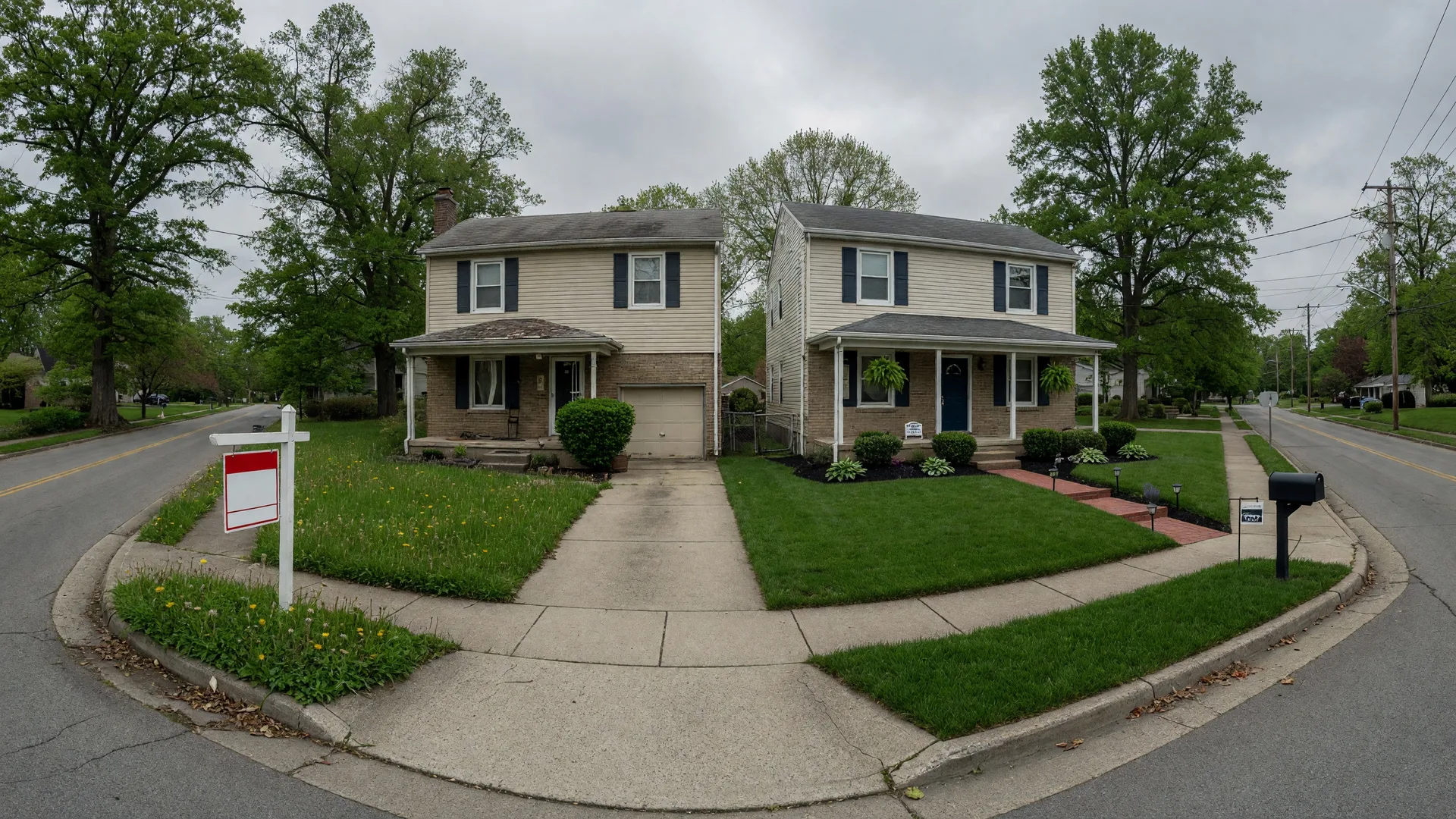
Fresh mulch, trimmed shrubs, a power-washed driveway, a clean front door — these things cost relatively little and have an outsized impact on how buyers feel about a home from the moment they arrive.
I've seen buyers decide against a home because the exterior looked neglected — before they ever saw the interior. And I've seen buyers fall in love with a home at the curb that they might have skipped based on the listing photos alone.
Curb appeal investment is almost always money well spent.
Kitchen and Bathroom Refreshes — Not Renovations
There's an important distinction here that most sellers miss.
A full kitchen renovation — new cabinets, new layout, new everything — is expensive and rarely returns its full cost. Buyers in most price ranges are not paying you back dollar for dollar for a $40,000 kitchen.
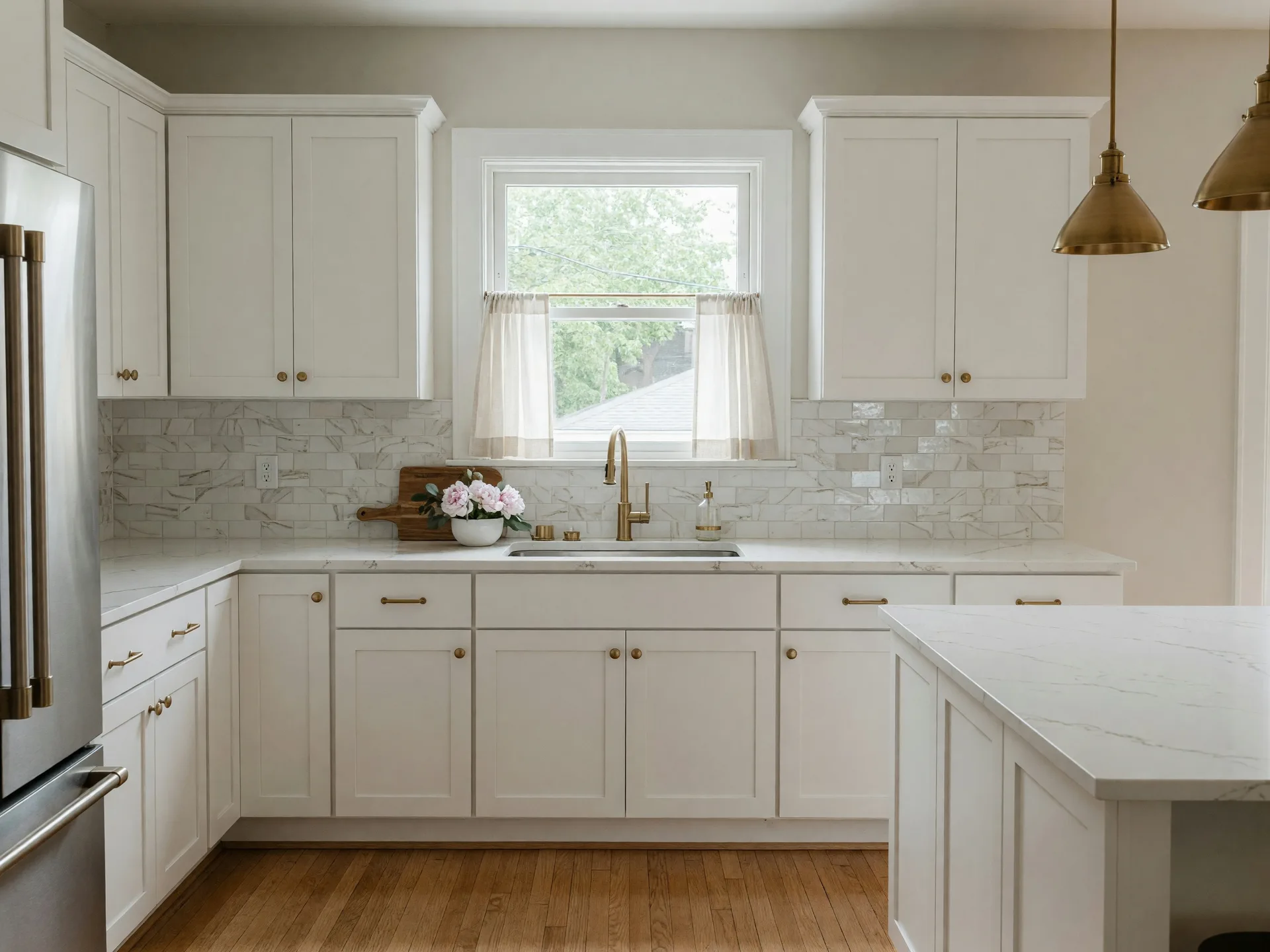
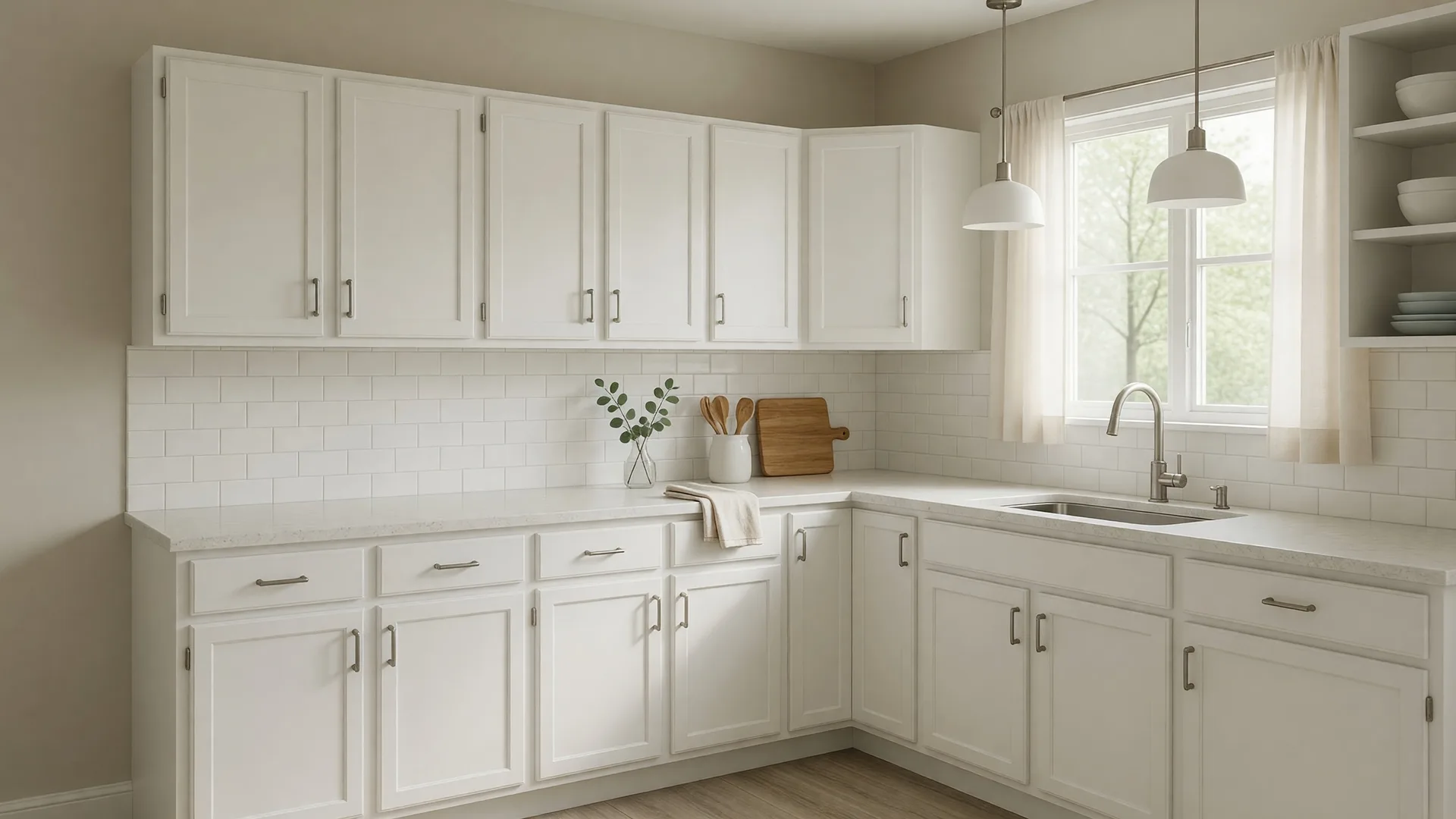
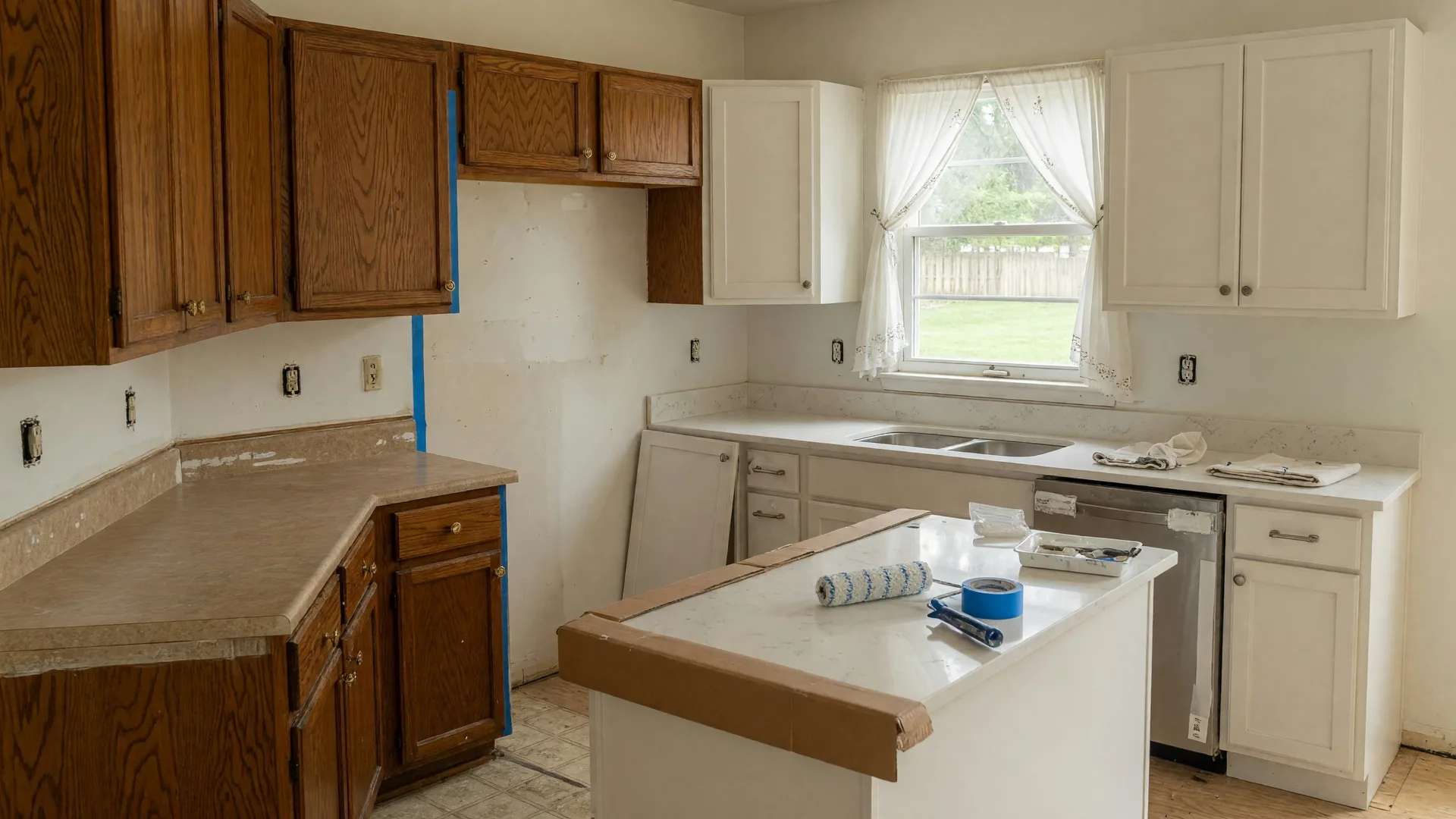
But a kitchen refresh is different. New hardware on existing cabinets. Updated light fixtures. A new faucet. Painting cabinets that are structurally sound but cosmetically dated. These relatively modest investments can meaningfully change how a kitchen feels to a buyer — at a fraction of the cost of a full renovation.
The same logic applies to bathrooms. New mirrors, updated lighting, fresh caulk, and a deep clean can transform how a bathroom presents — without the cost or timeline of a full remodel.
The question I always ask sellers: can we get 80% of the visual impact at 20% of the cost? Usually the answer is yes.
Deep Cleaning and Decluttering
This isn't a remodel. But I include it here because it belongs in this conversation.
A professionally cleaned, decluttered home shows better than an updated home that's dirty and cluttered. Every time.
The cost of professional cleaning is typically a few hundred dollars. The impact on how buyers feel when they walk through is significant — and it shows up in photography, which is where most buyers form their first impression today.
I've seen sellers spend thousands on improvements and then undermine all of it by not cleaning and decluttering properly before photos are taken. Don't let that be your situation.
What Typically Doesn't Pay Off
This is the part of the conversation most agents avoid. I'm not going to avoid it.
Full Kitchen Renovations
As I mentioned above — a complete kitchen renovation is one of the most expensive pre-sale investments a seller can make, and it almost never returns its full cost — we cover this in detail in our guide to which improvements to skip before selling.
Here's why. Buyers have their own taste. The kitchen you design to sell the home may not be the kitchen the buyer would have chosen. You've now invested $35,000 to $60,000 in something that may not align with the preferences of the specific buyer who ultimately purchases the home.
Additionally, buyers in most Louisville price ranges are buying the home, the neighborhood, and the bones — not the kitchen. They're often planning to update it themselves anyway.
If your kitchen is outdated but functional, a refresh almost always makes more financial sense than a renovation.
Master Bath Renovations
Same logic as the kitchen. A full master bath renovation is expensive and rarely returns its full cost at the sale price.
What I've seen happen: sellers spend $20,000 on a master bath renovation, and buyers negotiate on the price the same way they would have if the renovation hadn't happened — because buyers don't pay full price for your choices. They pay for what they would have chosen.
A refresh, however — new fixtures, updated lighting, fresh grout, a frameless mirror — can make a significant visual difference at a fraction of the cost.
Additions
Adding square footage before selling is almost never a good financial decision.
Additions are expensive, time-consuming, and the per-square-foot cost of adding space almost never matches the per-square-foot value the market assigns to that space in your neighborhood.
If you've been thinking about adding a room or finishing a basement to sell the home for more — in most cases, you'll spend more than you'll recover. For a full breakdown of whether does a finished basement add value in your specific situation, I wrote a separate guide that covers the Type 1, Type 2, and Refresh vs. Renovate questions specifically for basements. And if you're considering an attic conversion instead, see my guide on does a finished attic add value — it covers the ANSI ceiling-height rule that most often determines whether attic space actually counts as conforming square footage. The exception is when unfinished space is dramatically undercutting your value relative to comparable homes. In that case, talk to me before making any decisions.
Highly Personalized Upgrades
Bold wallpaper. Unconventional color schemes. Niche design choices that reflect very specific personal taste.
These can actually hurt you. They reduce the pool of buyers who can picture themselves in the home, and they often require the buyer to mentally budget for removal before they can move in. This is exactly the kind of over-personalization that makes it onto lists of what hurts your home's value — because it narrows your buyer pool instead of widening it.
Before listing, the goal is to make the home appeal to the widest possible qualified buyer pool. That usually means neutralizing strong personal design choices — not adding more of them.
The Question I Ask Every Seller
When a seller tells me they're thinking about a specific improvement, I ask them one question:
If you weren't selling, would you be doing this?
If the answer is yes — the roof is failing, the HVAC needs to be replaced, there's a water intrusion problem — then do it. These are maintenance issues. They'll cost you more at the negotiating table than they'll cost you to fix.
If the answer is no — you're doing it specifically to sell — then the question becomes whether today's buyers in your price range will pay you back for it. And that requires an honest look at comparable sales, current buyer expectations, and what your specific home actually needs versus what you want it to have.
That's a conversation I'm happy to have before you spend a dollar.
A Framework for Making the Decision
Here's how I help sellers think through this.
Step 1 — Get a market analysis first
Before you spend a dollar on improvements, understand where your home's value sits relative to comparable homes in your area. That analysis will tell you what buyers in your market are currently paying, what condition they expect, and where your home sits relative to that standard.
If comparable homes are selling for $350,000 in updated condition and your home would realistically sell for $310,000 as-is, you know the gap. Now the question is how much of that gap you can close with improvements — and at what cost.
Step 2 — Identify the problems first, then the opportunities
Start with the Type 1 improvements — things that are broken or represent significant deferred maintenance. These almost always make financial sense to address before listing.
Then look at the Type 2 improvements — discretionary upgrades. Evaluate each one based on cost, likely buyer impact, and what comparable homes are offering.
Step 3 — Ask the refresh versus renovate question
For every major improvement you're considering, ask: is there a way to get most of the visual impact at a fraction of the cost?
New cabinet doors instead of new cabinets. Updated hardware instead of new fixtures. Painted cabinets instead of replaced ones. Fresh landscaping instead of a full re-grade.
In most cases, the refresh delivers 70 to 80 percent of the buyer impact at 20 to 30 percent of the renovation cost. That math usually wins.
Step 4 — Consider the timeline
Improvements take time. And time costs money — in carrying costs, in market risk, and sometimes in the opportunity cost of buyers who would have purchased the home as-is if it had been available.
The Louisville market moves. A home that would have sold well last month may face different conditions next month. Starting a six-week renovation when the market is favorable and finishing in changed conditions is a real risk.
I always factor timing into the pre-sale improvement conversation. Sometimes the right answer is to list now, price it accurately to reflect current condition, and let a buyer make their own choices. If you're weighing whether now is the right time to sell, take a look at our guide on whether to sell your Louisville home now or wait. And for a full picture of how the calendar affects your options, my breakdown of the best time of year to sell a home in Louisville covers the seasonal pattern month by month.
Step 5 — Run the math honestly
If you spend $X on improvements, what is the realistic increase in sale price? Not the optimistic number. The honest one.
If a $15,000 flooring update will likely increase your sale price by $10,000, that's a $5,000 loss — even if it helps the home sell faster. Whether that's worth it depends on your carrying costs and timeline.
If a $2,000 paint job will likely add $5,000 to your sale price and help the home sell in days rather than weeks, that math is obvious.
Run the numbers before you make the decision. Not after.
What If the Home Needs Significant Work?
Sometimes sellers are dealing with a home that genuinely needs major updating — not just cosmetic attention, but structural, mechanical, or significant renovation work.
In those cases, the calculation changes.
Sometimes the right answer is to invest in the work and price accordingly for an updated home.
Sometimes the right answer is to price the home accurately for its current condition, be transparent about what it needs, and market it to buyers who are specifically looking for a project — investors, flippers, buyers who want to customize.
If you decide to sell without making major improvements, pricing becomes even more important. That's why I recommend reading our guide on how to price your Louisville home correctly before making that decision. Getting the number right from Day One is the single most important thing you can do — regardless of the condition you list in.
There's a real buyer pool for homes that need work. They tend to be less emotional, more analytical, and faster to decide. The transaction is often cleaner because expectations are aligned from the start.
One thing I've seen go wrong: sellers who try to split the difference. They spend $20,000 on partial updates that don't fully address the home's condition — and now the home is neither a move-in ready purchase nor a true value-add opportunity. It falls between categories and appeals to no one particularly well.
If significant work is needed, the strategy has to be clear. Either commit to the update and price for it, or be honest about the condition and price for that instead. The worst position is somewhere in between. If you're trying to understand why a home in your area didn't sell, our analysis on why your neighbor's home didn't sell covers the most common reasons.
Frequently Asked Questions
Should I update my kitchen before selling?
It depends on how dated it is, what comparable homes in your area are offering, and what your budget is. In most cases, a kitchen refresh — new hardware, updated lighting, painted cabinets — delivers more financial return than a full renovation. If the kitchen is functional but cosmetically dated, I'd almost always recommend a refresh over a renovation.
How much should I spend on pre-sale improvements?
There's no universal answer. The right number depends on your home's current condition, the comparable sales in your area, and what specific improvements will actually move the needle with buyers. I'd encourage any seller to have this conversation before spending anything — not after.
Will staging help me sell for more?
Staging — professional or DIY — consistently helps homes sell faster and can support a stronger sale price. It's one of the higher-return investments a seller can make, particularly in price ranges where buyers are making emotional decisions about lifestyle. It's worth discussing as part of your overall preparation strategy. For a closer look at when professional staging pays off and when it doesn't, read our guide to what staging actually means for Louisville sellers.
Should I fix things that will come up on inspection?
Almost always yes. Known issues that will surface during inspection cost you more at the negotiating table than they cost to repair upfront. Buyers who discover problems during inspection ask for more than the repair is worth — because they're taking on the uncertainty of managing the work themselves. Fix it first.
What if I don't have money for improvements?
Price the home accurately for its current condition. That's not a consolation — it's a legitimate strategy. There are buyers for every condition of home. The key is honest pricing that reflects what the home actually offers, combined with a marketing approach that reaches the right buyer pool. Overpricing a home that needs work is one of the most common — and most costly — seller mistakes.
How do I know if a contractor's estimate is reasonable?
This is harder than it sounds — most sellers have no frame of reference for construction costs. This is one of the areas where my builder background is genuinely useful. I can look at a proposed scope of work and tell you whether the estimate is reasonable, whether the spec matches what buyers will actually value, and whether there's a more cost-effective approach to the same outcome. Before you hire a contractor for pre-sale work, it's worth a conversation.
The Bottom Line
The decision about whether to remodel before selling isn't about making the home as nice as possible.
It's about making the right investments — at the right cost, in the right timeframe — to position the home for the strongest possible outcome in today's Louisville market.
Some improvements pay off. Many don't. A few can actually work against you.
The sellers who navigate this well are the ones who ask the right questions before they spend a dollar — not after.
Price correctly from Day One. Prepare the home strategically. Make sure every dollar you spend has a clear reason behind it.
The sellers who achieve the best outcomes usually aren't the ones who spent the most money. They're the ones who spent the right money.
Let's Talk Before You Spend a Dollar
If you're thinking about selling your Louisville home and you're wondering what improvements actually make sense for your specific situation — I'd be glad to walk through it with you before you commit to anything. No pressure. No obligation. Just an honest conversation based on more than 24 years of experience in this market — and a background that gives me a perspective on construction costs and improvement value that most agents simply don't have.
Get in TouchCall 502-429-3866
About Tim Hollinden
Tim Hollinden is a former home builder and Broker Associate with The Hollinden Team at eXp Realty, licensed in Kentucky, Indiana, and Alabama. With 24+ years in real estate sales and more than 1,650 real estate transactions, Tim helps buyers and sellers throughout Greater Louisville and Southern Indiana make informed decisions using practical, evidence-based advice. His builder background provides added insight into construction, condition, improvements and value, while nearly two decades as a tech-company CEO shaped the systems-driven marketing he uses today. Tim is also a three-time eXp ICON Agent, an early A.I. Certified Agent™, and holds Zillow's Best of Zillow recognition.
— Tim