
What Happens During the Final Walkthrough of a New Home?
Quick Answer
The final walkthrough happens before closing — not at closing, and ideally not as the first real look at the home. Done well, it's a verification step: a punch list was already identified earlier, given to the builder, and addressed during a correction period, so the final walkthrough mostly confirms that work is actually done. Closing, where you get the keys, comes after. If the final walkthrough is the first time anyone has really looked closely at the home, you're doing it out of order.
What You'll Learn
- Why a good final walkthrough is really the second visit, not the only one
- What gets checked at each stage, including cleanliness and required final approvals
- What a punch list is, when it should get resolved, and what happens when it doesn't all get finished before closing
- Why a professional home inspection belongs in this process even on new construction
- A simple way to sort every item you find into what matters and what doesn't
Tim's Take
I've been on both sides of this — as the builder finishing out a home before it closed, and now as the agent walking properties with my own clients. Here's the mistake I see most often: buyers treat the final walkthrough as their one shot to catch everything, scheduled right before closing, with real pressure not to hold anything up. That's the hardest possible way to do it, and it's not how I approach it with my own clients.
In my process, when the builder says the home is complete, that's not the final walkthrough — it's the first one. I recommend that my clients have a professional home inspection performed at that stage, and that's standard practice in how I represent new-construction buyers. In my experience, professional inspections of new construction almost always identify something worth addressing, even on a well-built home. Whatever the inspector finds, along with anything my clients or I notice ourselves, goes on a punch list that goes to the builder promptly, with reasonable time for the builder to actually correct it. The final walkthrough, which follows that correction period and comes before closing, becomes what it should be: a verification that those items got taken care of — not a scramble to find them for the first time.
Two Walkthroughs, Not One
The way I just described it isn't the only way to handle new construction, but I think it's the right one, and it comes down to separating two different visits that often get collapsed into a single rushed moment:
The initial walkthrough happens as soon as the builder says the home is complete — ideally with enough time before the targeted closing date to actually do something about what's found, circumstances allowing. This is also when a professional inspection should happen: I recommend it as standard practice, since an inspector brings a level of scrutiny a walkthrough alone doesn't. Whatever the inspector finds, plus anything caught during the walkthrough itself, becomes the punch list, which goes to the builder promptly so they have reasonable time to address it.
The final walkthrough happens after that correction period, close enough to closing to verify the home's actual, final condition — but with whatever practical time remains to address anything still unresolved. At this stage, the job is mostly verification: did the items on the list actually get fixed? If something significant wasn't resolved, that sometimes means bringing the inspector back for a second look before signing off.
Closing itself — where you actually receive the keys — comes after the final walkthrough, not at it. The governing idea isn't a specific number of days at any one stage; it's the sequence itself: discovery, then a real correction period, then final verification, then closing. The more that sequence gets compressed, the more likely something gets rushed.
What Gets Checked
Between the initial and final walkthroughs, a thorough process covers:
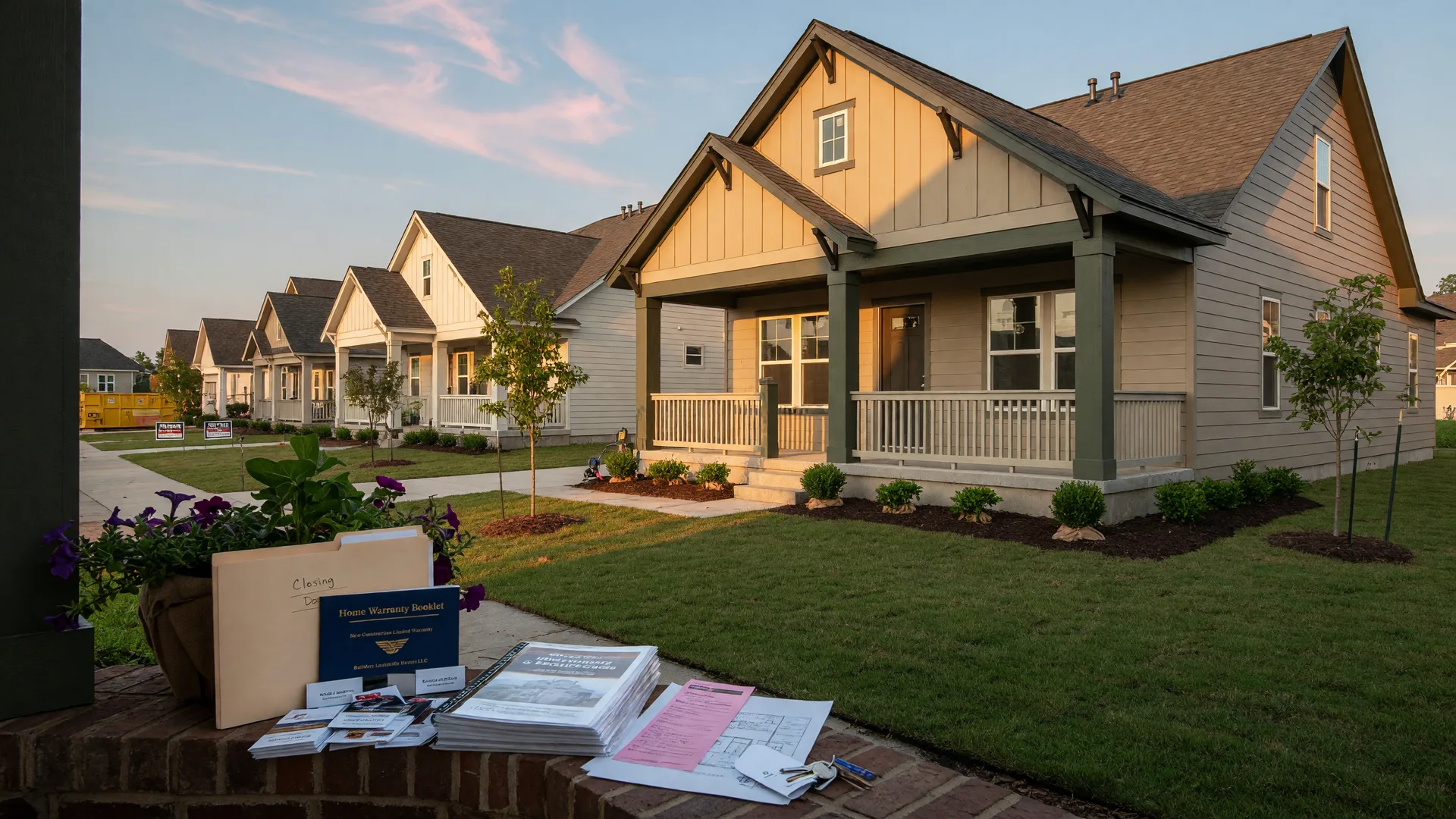
- Contract and selection accuracy — confirming the home actually has what you contracted and selected: the right fixtures, finishes, appliances, and any upgrades you paid for.
- Systems testing — running the HVAC system, testing every outlet and switch, checking water pressure and drainage at every fixture, and testing appliances.
- Doors, windows, and hardware — making sure everything opens, closes, locks, and seals the way it should.
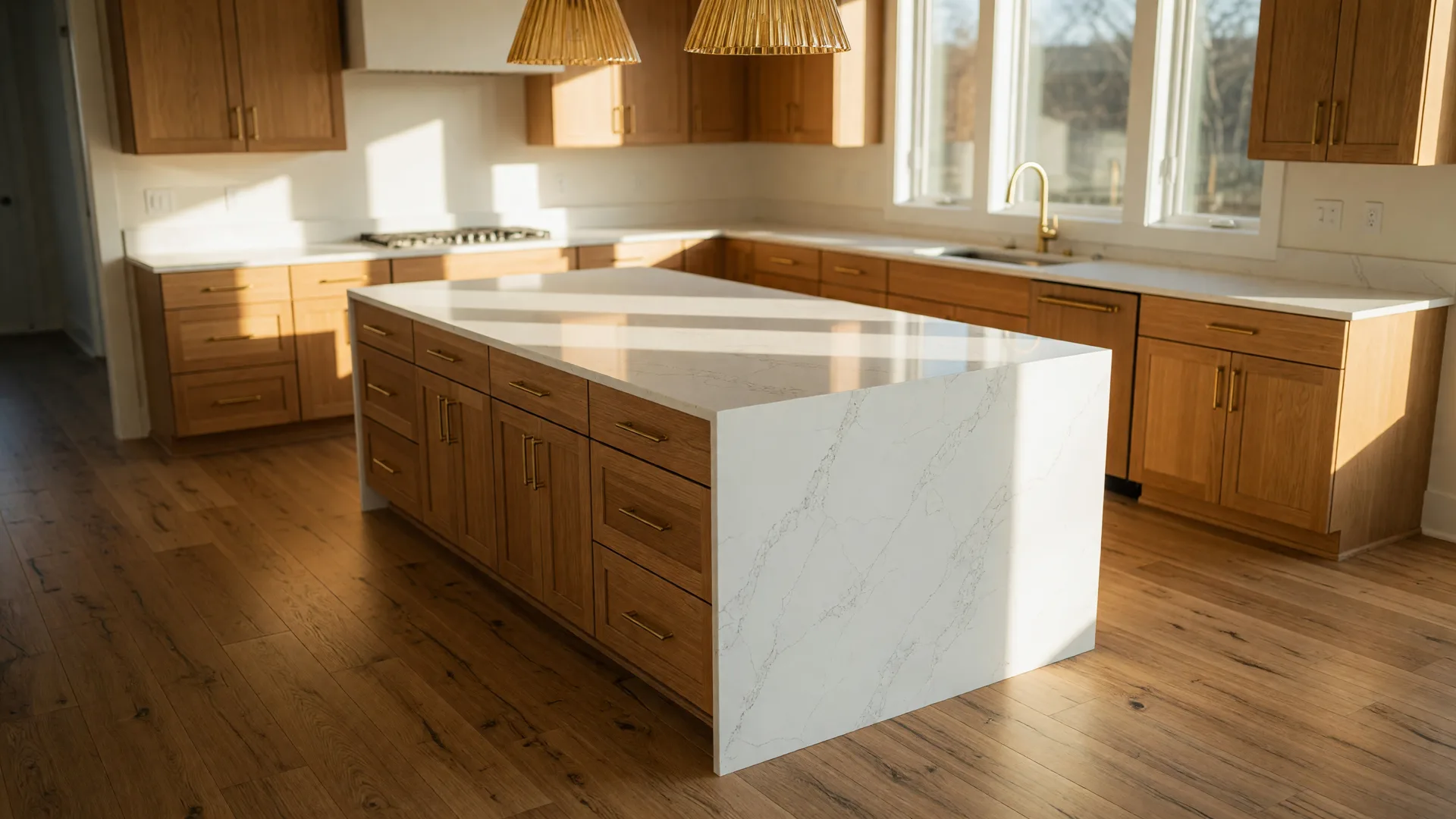
- Cosmetic condition — paint, drywall, flooring, cabinetry, and countertops, checking for damage, gaps, or incomplete work.
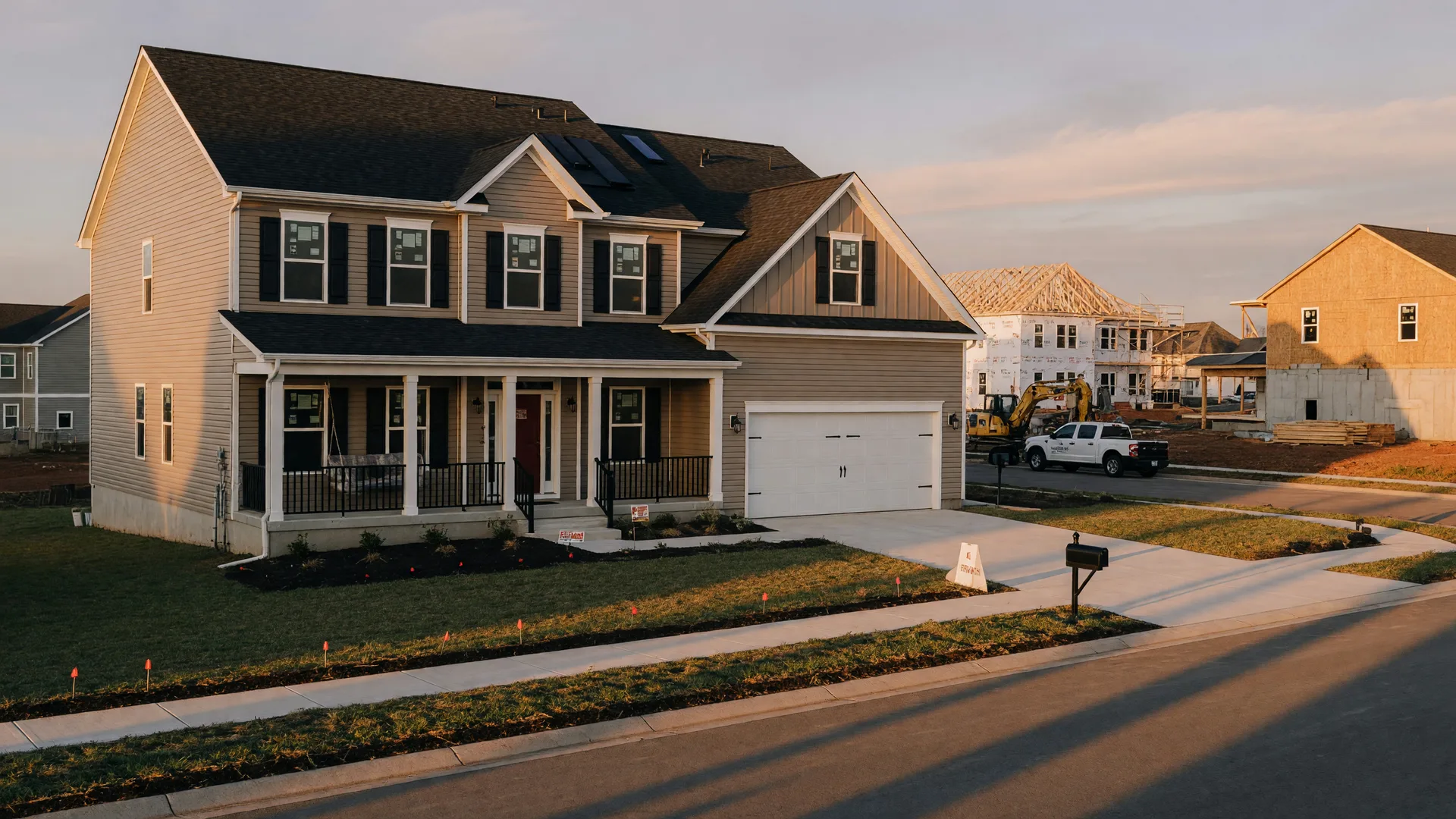
- Exterior and grading — confirming drainage slopes away from the foundation, and that exterior finishes and landscaping match what was promised.
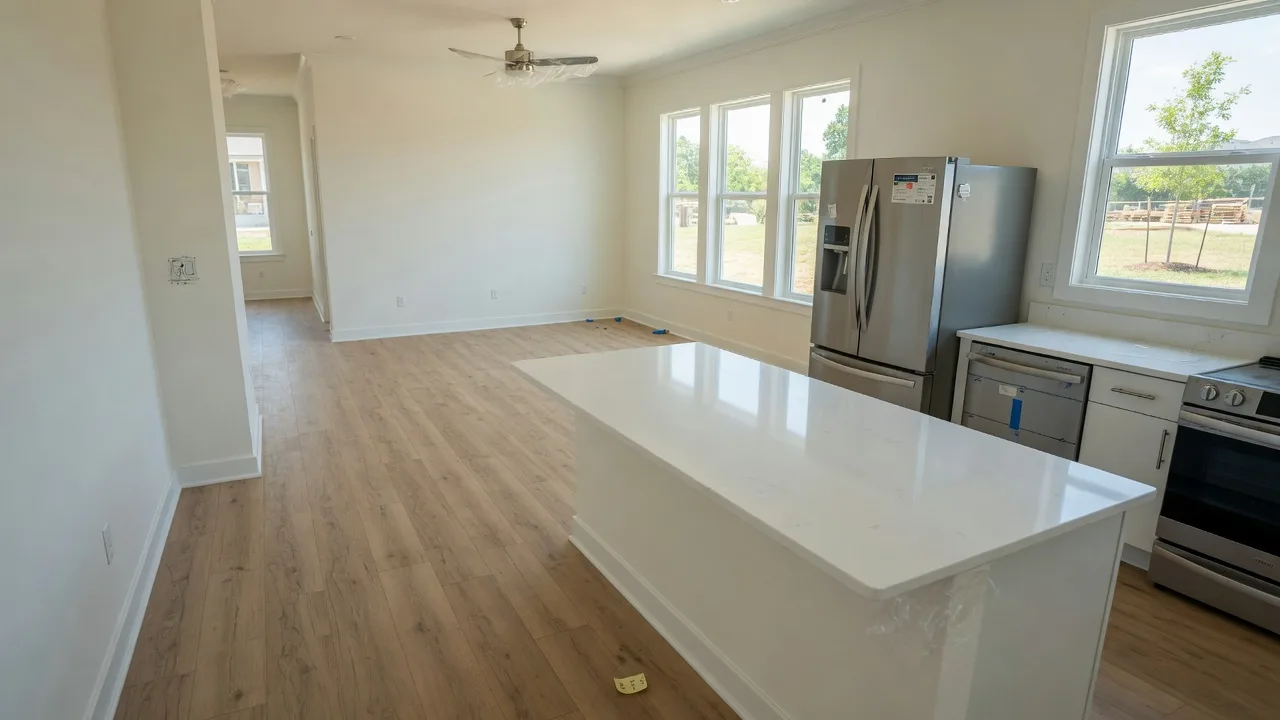
- Cleanliness — construction leaves real dust and debris behind, and a home that hasn't been properly cleaned yet is worth noting, not just excusing as "still under construction."
- Documentation — collecting warranty paperwork, appliance manuals, and confirming the required final approvals covered below.
Required Final Approvals and Occupancy Authorization
Separate from your own walkthrough, a new home has to pass whatever local code inspections and final approvals your jurisdiction requires before it can legally be occupied — which may include building, electrical, plumbing, and other inspections, depending on where you're building. Where required, the appropriate certificate of occupancy or equivalent occupancy authorization has to be issued before you can legally move in. The specific sequence and requirements vary by jurisdiction, and this isn't something your agent or a home inspector replaces — it's a separate process the builder is responsible for completing. Your checklist item is simple: confirm that the required final approvals and occupancy authorization are complete before closing or occupancy, as applicable.
A Simple Filter for Every Item You Find
Not everything you notice needs the same response. I ask three questions about anything that looks off:
- Is it a safety or functional issue? Something that doesn't work — a system, a fixture, structural concern — gets flagged regardless of how minor it seems.
- Does it match the contract and your selections? If what's installed doesn't match what you agreed to, that's a documented discrepancy, not a matter of opinion.
- Is it purely cosmetic, and how noticeable will it actually be once you're living there? Some cosmetic items are worth flagging and moving on from; others are worth holding firm on. This is where judgment matters more than a rigid rule.
This isn't about treating every scuff mark as a crisis or ignoring real problems to avoid conflict. It's a way of sorting what you find so your attention — and your builder's — goes to what actually matters.
When the Punch List Isn't Fully Resolved by Closing
Ideally, everything on the punch list gets fixed before closing, which is exactly why doing the initial walkthrough and inspection well ahead of the target closing date matters — it gives the builder a real correction period, not a rushed one. That doesn't always line up with everyone's timeline, though, and sometimes items are still outstanding when closing day arrives.
When that happens, what comes next depends on your specific contract and the significance of what's left. Anything unresolved should be documented clearly in writing before closing, with an agreed plan for when and how it'll be addressed afterward. That's a decision worth making with your agent, and your attorney where contract language is in question, rather than assuming closing with unfinished items is simply how it works.
When I find punch list items that aren't complete at closing, it's my standard practice to ask, on my buyer's behalf, that the title company escrow funds from the builder's proceeds — often around twice the estimated cost of the remaining work — to be held back until those items are finished. Both the amount and the time frame are negotiated with the builder, and there's no guarantee they'll agree to it. But asking is standard practice for me because it gives the builder real motivation to complete the work promptly, and it protects you from having repairs or fixes drag out for months after you've already closed.
A Walkthrough Isn't a Substitute for a Professional Inspection
My construction background shapes what I notice on a walkthrough, and I recommend that my new-construction clients have a professional home inspection performed — not as an optional extra, but as standard practice in how I represent them. A home inspector brings a level of systematic scrutiny that even an experienced set of eyes on a walkthrough doesn't fully replace, and in my experience, professional inspections of new construction almost always identify something worth addressing. I don't think a builder background or a thorough walkthrough is a reason to skip that step.
Frequently Asked Questions
When should the first walkthrough happen?
As soon as the builder says the home is complete, ideally with enough time before closing to complete a professional inspection, give the builder the resulting punch list, allow a real correction period, and then perform a final walkthrough.
Should I get a home inspection on new construction?
I recommend it as standard practice for my own clients. In my experience, professional inspections of new construction almost always turn up something worth addressing, even on a well-built home.
What if something on the punch list isn't fixed by closing?
It gets documented in writing, and what happens next depends on your specific contract and how significant the item is. That's a decision to make with your agent, and your attorney where contract language is in question — not an outcome to assume in advance.
What's the difference between the final walkthrough and a home inspection?
A home inspection is a professional, systematic evaluation of a home's condition, performed by a credentialed inspector — ideally done early, at the initial walkthrough stage. The final walkthrough, which follows a correction period and comes before closing, is the buyer's own verification that everything — including whatever the inspector found — actually got addressed. They serve different purposes at different points in the process.
Do I get the keys at the final walkthrough?
No — the final walkthrough happens before closing. You receive the keys at closing. The walkthrough is your opportunity to verify the home's condition, confirm completed corrections, and identify anything that still needs to be addressed before you decide how to proceed with closing.
Bottom Line
A final walkthrough works best when it isn't doing all the work by itself. Getting a professional inspection and a real initial walkthrough done as soon as the builder says the home is complete, followed by a genuine correction period before the final walkthrough, turns that final visit into what it should be: confirmation, not discovery. Closing, and the keys, come after that's done.
If you're getting ready to buy new construction and want someone with you at every stage of that process — not just the final walkthrough — I'd welcome the chance to represent you from the start.
Call 502-429-3866.
— Tim
About Tim Hollinden
Tim Hollinden is a former home builder and Broker Associate with The Hollinden Team at eXp Realty. For more than 24 years, he has completed over 1,650 real estate transactions throughout Greater Louisville by combining builder knowledge with practical, evidence-based real estate advice.