
Relocating Out of Louisville: How to Coordinate Your Sale and Your Next Purchase
By Tim Hollinden, Broker Associate | The Hollinden Team at eXp Realty
Quick Answer
When you're relocating out of Louisville, the hardest part is usually coordinating two transactions in two cities on one timeline. Start with the order: sell first, buy first, or try to line them up. That depends on your finances, your start date, and any relocation package you have. Then price your Louisville home correctly from day one, because when you're on a deadline or carrying two homes, time on the market costs more. If you'll be gone before it sells, set the home up to sell without you: handle repairs before you leave, keep it ready to show, and plan early for remote signing and closing. In your new city, rely on an agent who knows that market.
What You'll Learn
- How to think about selling first, buying first, or lining both up
- Why pricing matters even more when you're relocating
- What to handle before you leave Louisville
- How selling a home works when you're no longer here
- Where to get help in the city you're moving to
Tim's Take
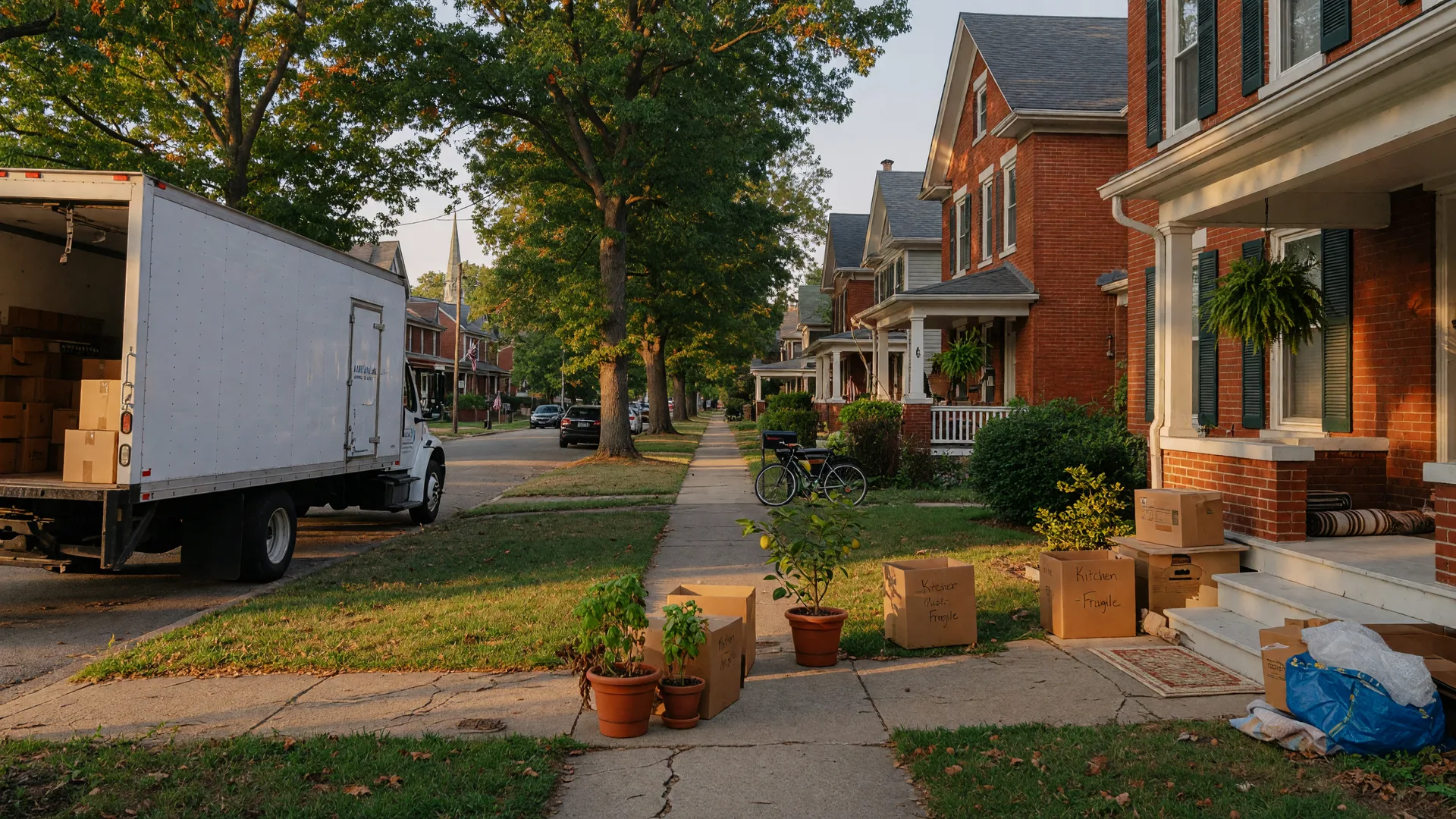
Most of the relocation conversations I have are with people moving to Louisville. But I also help plenty of people who are leaving, and their situation is different. They're trying to sell a home here, buy a home somewhere else, and start a new job or a new chapter, often all at once.
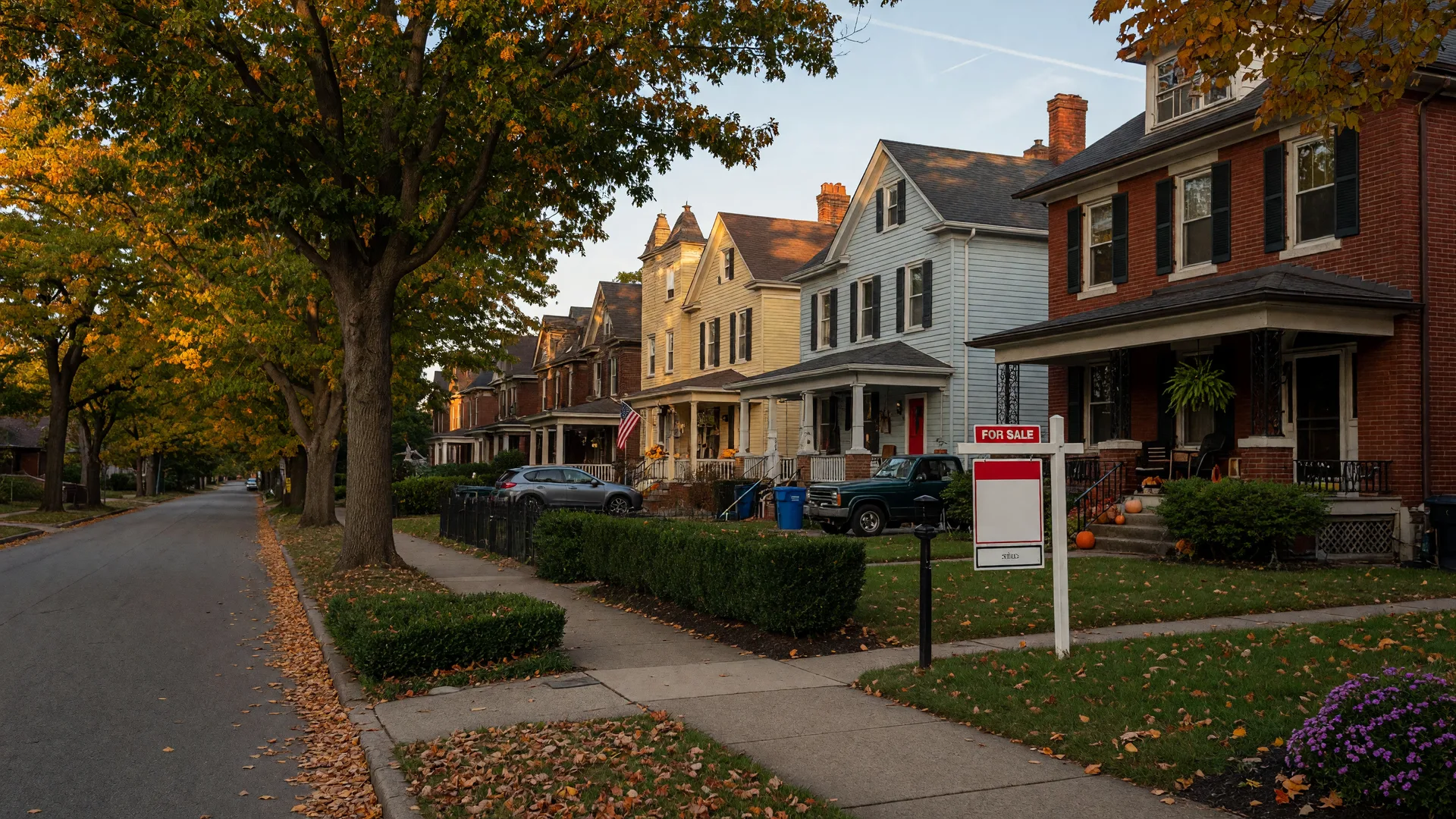
Selling the Louisville home is the part I can handle start to finish, and it's where I spend most of my time as a listing agent. The goal is simple: get the home sold well and on a timeline that fits your move, so you're not paying for two houses any longer than you have to.
Sell First, Buy First, or Line Them Up?
There's no single right order. It depends on your situation.
Selling first gives you a clearer financial picture. You know what the Louisville sale produced before committing to the next purchase, and you reduce the risk of carrying two homes at once. The tradeoff is that you may need temporary housing in between. Buying first can let you move directly into the next home, but you'll need to know whether you can qualify while you still own the Louisville property and whether you're comfortable carrying both homes if the sale takes longer than expected. Lining the two up for closings close together is possible, but it leaves less room if either side gets delayed.
Before you decide, talk to your lender about what you can qualify for in each scenario. If your employer is helping with the move, read your relocation package closely. Every package is different, and the details can affect how and when you sell. I go deeper on the tradeoffs in should I buy before I sell?
Depending on the buyer and the situation, a short rent-back after closing can sometimes be negotiated, letting you stay in the home for a period after it sells. It's not always available, but it's worth knowing about if you need a little breathing room between the two moves. The details need to work for the buyer, the contracts, the lenders, and the insurance involved, so it's something to discuss early rather than assume will be available.
Price It Right From the Start
This is the part I'd emphasize most. When you're relocating, an overpriced listing costs you more than it would otherwise. Every extra month can mean another mortgage payment, utilities, and insurance on a house you don't live in, and sometimes a deadline you can't move.
Buyers pay the most attention in the first week or two after a home hits the market. That's when the price, the photos, and the condition need to be right. If a home misses that early attention, getting buyers to take another look gets harder, and a price correction may become necessary. I'd much rather price correctly from day one than start high and chase the market down.
I explain how I approach that in how do I price my Louisville home correctly?, and what affects your timeline in how long does it take to sell a home in Louisville?
Handle What You Can Before You Leave
If there's any chance you'll be gone before the home sells, do the prep work while you're still here. It's much easier to make decisions about repairs, paint, and cleanup when you can see the house yourself.
My builder background helps here. I can walk through the home with you and tell you what's worth fixing before you list and what isn't. Some things buyers will notice right away, and some things will show up on an inspection anyway. Other projects simply won't pay you back. What repairs should I make before selling? covers how I think about that.
Then decide what happens to the furniture. A home that's lived in and well kept shows differently than a vacant one, and both can sell well. I talk through the options in should I stage my Louisville home before selling?
Selling When You're Not Here
A lot of my relocating sellers are already in their new city by the time their Louisville home sells. That's very workable, but it changes a few things.
The listing has to do more of the work. Every listing I take gets professional photography, a video tour, and its own property website. When the owner isn't around to answer questions, that kind of presentation matters even more. I walk through what I do in the marketing plan that gets your home sold.
The house still needs looking after. Keep the utilities on, keep the lawn mowed, and have someone check the house regularly. If the home will be vacant, call your insurance agent about how vacancy affects your coverage. Policies can treat an empty house differently.
Paperwork and closing can happen remotely. Offers, counteroffers, and most documents can be signed electronically. Closing itself can often be handled without you being here, but the specifics depend on the title company and your lender, so ask early how that will work.
Once you're under contract, I keep things moving on this end: inspections, appraisal, and repair negotiations, with updates to you as they happen. What happens after my home goes under contract? explains that stretch, and what can kill a home sale before closing? covers what I'm watching for. For what you'll pay at closing, see what closing costs do home sellers pay in Louisville?
Buying in Your New City
The market you're moving to may work very differently than Louisville: how fast homes sell, how offers are written, how much room there is to negotiate. Don't assume what you learned selling here applies there. That's where you want an agent who knows that market.
If you'd like, I can help connect you with an agent in your new city, so you're not starting from scratch while you're also selling here. Either way, ask your agent there the same questions you'd ask anywhere: what recent comparable sales show, what the competition looks like, and how their local process works. Why real estate is always a local market explains why that matters.
One more thing worth doing early: talk to your tax professional about how selling your Louisville home affects your taxes. It's easier to plan for before closing than after.
Frequently Asked Questions
Should I sell my Louisville home before I buy in my new city?
It depends on your finances, your start date, and any relocation package you have. Selling first gives you a clearer financial picture, but it may mean temporary housing. Buying first can let you move directly into the next home, but you'll need to know whether you can qualify while you still own the Louisville property and whether you're comfortable carrying both if the sale takes longer than expected. Talk with your lender about what you can qualify for either way.
Can I sell my Louisville home after I've already moved?
Yes. Many relocating sellers do. Prep the home before you leave, keep it maintained and ready to show, and plan early with your title company and lender for remote signing and closing.
Does an empty house sell differently?
It can show differently than a furnished one, and both can sell well. If it will be vacant, keep the utilities on, have it checked regularly, and talk to your insurance agent about how vacancy affects your coverage.
Why does pricing matter more when I'm relocating?
Because time on the market costs more when you're carrying two homes or working against a deadline. Buyers pay the most attention in the first week or two, so getting the price right from the start is especially important.
Can you help me buy in the city I'm moving to?
I'm licensed in Kentucky, Indiana, and Alabama, so outside those states you'll want a local agent who knows that market. I'm happy to help you find one while I handle the sale here.
Bottom Line
Relocating out of Louisville means coordinating two transactions on one timeline. Decide on the order with your lender and your relocation package in mind. Price your Louisville home correctly from day one, because time costs more when you're moving. Handle repairs and decisions before you leave, set the home up to sell without you, and rely on an agent who knows your new market for the purchase there. The fewer loose ends you leave behind in Louisville, the easier it is to focus on what's happening in your new city.
Selling Your Louisville Home Before a Move?
If you're relocating out of Louisville and want help getting your home sold on a timeline that fits your move, I'd be happy to walk through it with you. No pressure, no obligation — just an honest conversation. Call 502-429-3866.
About Tim Hollinden
Tim Hollinden is a former home builder and Broker Associate with The Hollinden Team at eXp Realty. For more than 24 years, he has completed over 1,650 real estate transactions throughout Greater Louisville by combining builder knowledge with practical, evidence-based real estate advice.