
What Repairs Should I Make Before Selling My Louisville Home?

By Tim Hollinden, Broker Associate | The Hollinden Team at eXp Realty
Quick Answer
The goal isn't to fix everything before you sell. It's to fix the things that cost you more if you don't. The rest should be evaluated based on whether buyers in your market will actually pay more for them.
What You'll Learn
- Why "fix everything" and "fix nothing" are both the wrong starting point
- How I sort repairs into two categories before a seller spends a dollar
- Which repairs almost always make sense, and which ones rarely do
- What to do when an inspection turns up something you didn't expect
Tim's Take
Here's a question I get almost every week: "Do I need to fix everything before I list?" In my experience, sellers usually land in one of two camps — the ones who try to fix every little thing, and the ones who fix nothing and hope for the best. Neither one is really thinking it through.
Over the years I've learned that the right question isn't "should I make this repair?" It's "what happens if I don't?" That one shift changes how you look at every item on the list.
The Two Kinds of Repairs
I sort every repair into one of two buckets. I call it Type 1 vs. Type 2.
Type 1 repairs protect your equity. These are the repairs that usually cost more to ignore than to fix — a leaking roof, a failing HVAC system, electrical issues, water intrusion, anything a home inspector is likely to flag as a safety or function issue. If you're dealing with a wet basement or moisture concerns in particular, I wrote a dedicated guide on finished basement value that covers why Type 1 issues have to be addressed before any finishing work makes sense. The same principle applies to attic conversions — I cover the attic conversion ROI and ANSI ceiling-height standards in a separate guide. None of these details show up in an automated valuation model, which is one of the biggest reasons online home value estimates can't account for your home's actual condition.
Type 1 repairs include: roof issues, HVAC failure, water intrusion, electrical problems, structural concerns, plumbing failures, and anything a home inspector would flag as a safety or functional issue. A neglected pool with failing equipment or a cracked shell falls into this same category — it's a liability, not an amenity, when deferred maintenance is visible. For a full breakdown of how a pool affects resale value and buyer perception, see the dedicated guide. The primary goal is protecting value.
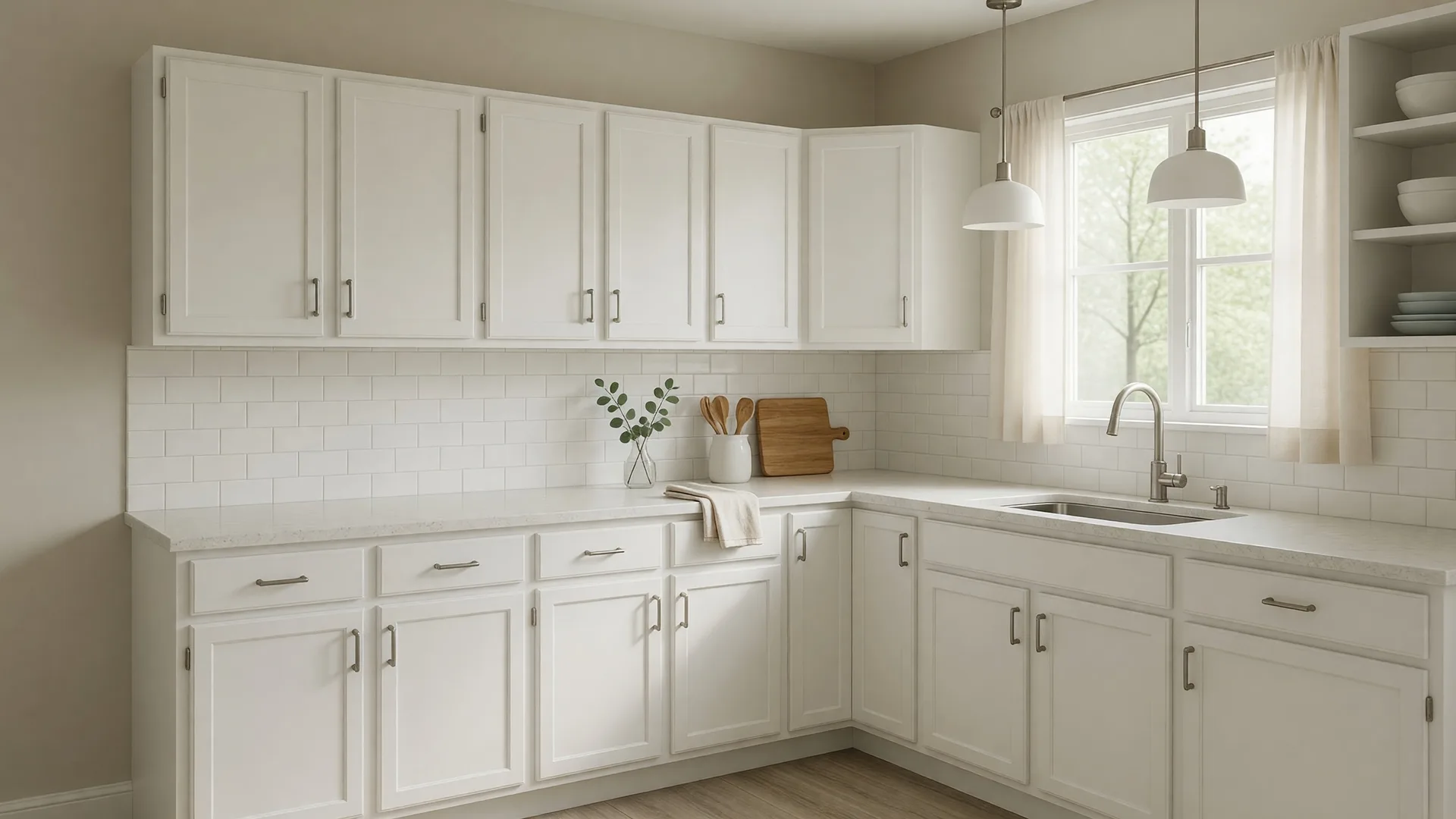
Type 2 repairs increase value — maybe. These are discretionary. Fresh paint, updated lighting, cabinet hardware, landscaping, and cosmetic improvements — and, for some sellers, new countertops. Whether these are worth it depends entirely on what buyers in your specific price range and neighborhood are actually willing to pay more for. This is where the Refresh vs. Renovate Test comes in — before committing to a full replacement, I ask whether we can get most of the visual impact at a fraction of the cost. New hardware instead of new cabinets. A refresh almost always wins financially over a full renovation.
Here's why I believe Type 1 repairs are the smartest money most sellers ever spend before listing. I worked with a seller who knew she had water in her crawl space that needed to be addressed before listing. She got quotes ranging from $6,500 up to $25,000 for the fix. We evaluated the bids together, and she went with a qualified contractor at the lower number — the crawl space was professionally encapsulated for less than $6,500.
If she had done nothing and let the buyer discover it during inspection instead, that same repair could have turned into a $25,000 negotiation. Buyers — and their inspectors — will almost always price an unresolved issue higher than it actually costs to fix. They're not just pricing today's repair — they're pricing the risk that the problem is larger than anyone realizes. There's a hassle factor. There's fear of the unknown: what if it's worse than it looks? When a seller controls the repair, they control the cost. When a buyer discovers it, the seller usually pays a premium for someone else's uncertainty. After the inspection is done, knowing what comes next — the repair negotiation, the appraisal, and the rest of the process — is just as important. I cover the common reasons deals fall apart during this stage, and I walk through the full process after an accepted offer in a separate guide.
In this case, the buyer's home inspector actually complimented the crawl space work — the prior water issue never came up as a concern. We still disclosed it on the seller disclosure form, as Kentucky law requires. But because the repair was already handled and handled well, it was a non-issue in negotiation.
That's the real value of Type 1 repairs: they don't just fix a problem, they remove it from the conversation entirely.
The Hollinden Repair Filter
When a seller isn't sure which bucket a repair falls into, I ask three questions:
- Will this show up on an inspection?
- Will buyers notice it immediately?
- Will it cost me more if I wait?
If the answer to any of these is yes — do it. If not, evaluate the return before spending the money, keeping in mind that knowing which improvements to skip is just as important. And when you start evaluating Type 2 improvements — the discretionary ones meant to increase value — the framework for deciding which projects actually pay off requires a separate, evidence-based look at your specific neighborhood's comparable sales.
How I Decide What Makes the List
I don't guess. I compare recent sales, current competition, contractor bids, and buyer expectations. Every recommendation has to pass my Evidence Test. If the numbers don't support the repair, I won't recommend spending the money. In the crawl space example, comparing three real bids is exactly what let that seller make a confident, informed decision instead of guessing.
What Buyers Actually Notice
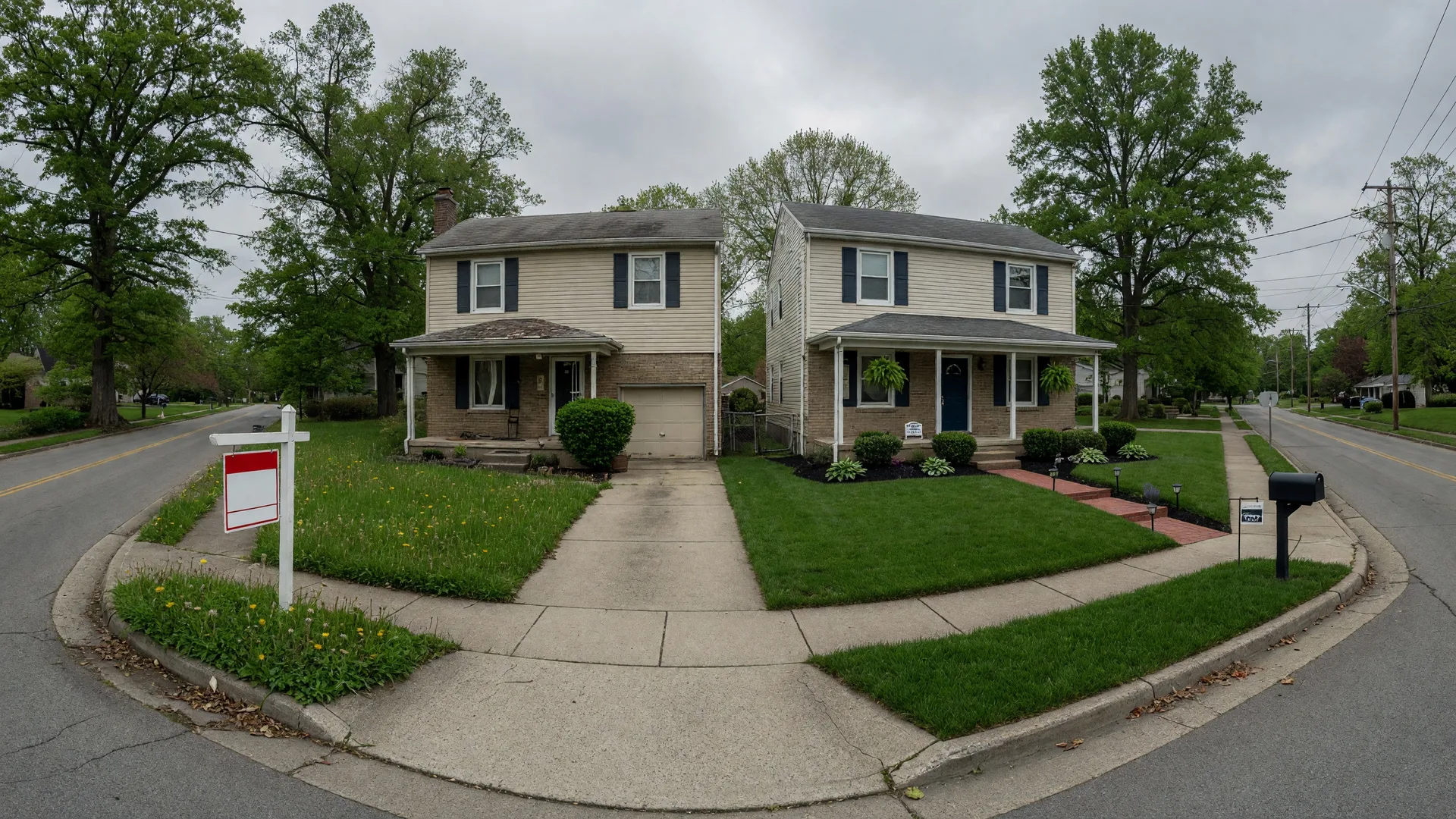
They simply keep scrolling past listings with bad photos and obvious deferred maintenance in the first few pictures. Buyers notice deferred maintenance immediately because they assume visible problems often point to hidden ones. The same principle applies to what's visible on the neighboring property — an unkempt yard or exterior disrepair next door can affect first impressions too. I cover whether neighbors affecting property value is a real concern or mostly a misconception in a separate article. This is one of the biggest home value killers — and it's almost entirely within a seller's control. Buyers make surprisingly fast judgments online — once they believe a home has been neglected, it becomes difficult to change that impression later. First impressions happen online now, long before a showing. If buyers aren't excited enough to schedule a showing, they'll never discover everything your home has to offer inside. That's part of why the Launch Window matters here too — the repairs you handle before listing shape how your home performs in that critical first stretch on market. And if you're planning repairs for a spring listing, winter is the ideal time to get them done; I break down the full seasonal timing strategy and winter prep approach in my guide to Louisville's selling seasons. For a full breakdown of how presentation fits alongside repairs, see our guide on whether staging is worth it before selling.
Frequently Asked Questions
Should I get a pre-listing inspection?
In many cases, yes. It lets you address Type 1 issues on your own terms instead of reacting to a buyer's inspector. A pre-listing inspection gives you time to get competitive bids, make informed decisions, and control the narrative — rather than scrambling after a buyer's inspector hands you a long list under time pressure.
What if I don't have the budget to fix everything?
Start with Type 1 repairs. They protect your negotiating position. Type 2 items can often wait or be reflected in price instead. If budget is tight, prioritize the repairs that would cost you more at the negotiating table than they cost to complete — that's where the math works most clearly in your favor.
Do repairs always pay for themselves?
Not always. Type 1 repairs often protect more value than they cost. Type 2 repairs depend entirely on buyer demand and neighborhood expectations. The honest answer is that some repairs pay for themselves, some don't, and knowing the difference before you spend the money is the whole point of a strategic approach to pre-sale preparation.
Do I have to disclose a repair even after it's fixed?
Yes. In Kentucky, sellers must disclose known issues on the seller disclosure form regardless of whether they've since been repaired. A well-documented, well-done repair — like the crawl space example above — rarely raises buyer concern. Disclosure protects you. A completed repair protects the buyer's confidence. Together, they make the transaction cleaner.
Bottom Line
Fix the repairs that protect your equity and your negotiating position. Then be intentional — not emotional — about everything else.
If you're not sure which category your repair list falls into, I'd be happy to walk through it with you — no pressure, no obligation. Call 502-429-3866.
Related Reading
- Should I Remodel Before Selling My Louisville Home? — Refresh vs. renovate: which projects pay off
- How Do I Price My Louisville Home Correctly? — Pricing on the Bubble and getting the number right
- The Biggest Home Pricing Mistakes Louisville Sellers Make — The mistakes that cost you time and money
- How Long Does It Take to Sell a Home in Louisville? — The Launch Window and why your first weeks on market matter
Not Sure Which Repairs to Make?
I'll walk through your repair list with you — no charge, no pressure. We'll figure out which fixes protect your sale price and which ones you can skip. Call me anytime.
Get in TouchCall 502-429-3866
About Tim Hollinden
Tim Hollinden is a former home builder and Broker Associate with The Hollinden Team at eXp Realty, licensed in Kentucky, Indiana, and Alabama. With 24+ years in real estate sales and more than 1,650 real estate transactions, Tim helps buyers and sellers throughout Greater Louisville and Southern Indiana make informed decisions using practical, evidence-based advice. His builder background provides added insight into construction, condition, improvements and value, while nearly two decades as a tech-company CEO shaped the systems-driven marketing he uses today. Tim is also a three-time eXp ICON Agent, an early A.I. Certified Agent™, and holds Zillow's Best of Zillow recognition.
— Tim