
What Can Kill a Home Sale Before Closing?
By Tim Hollinden, Broker Associate | The Hollinden Team at eXp Realty
Quick Answer
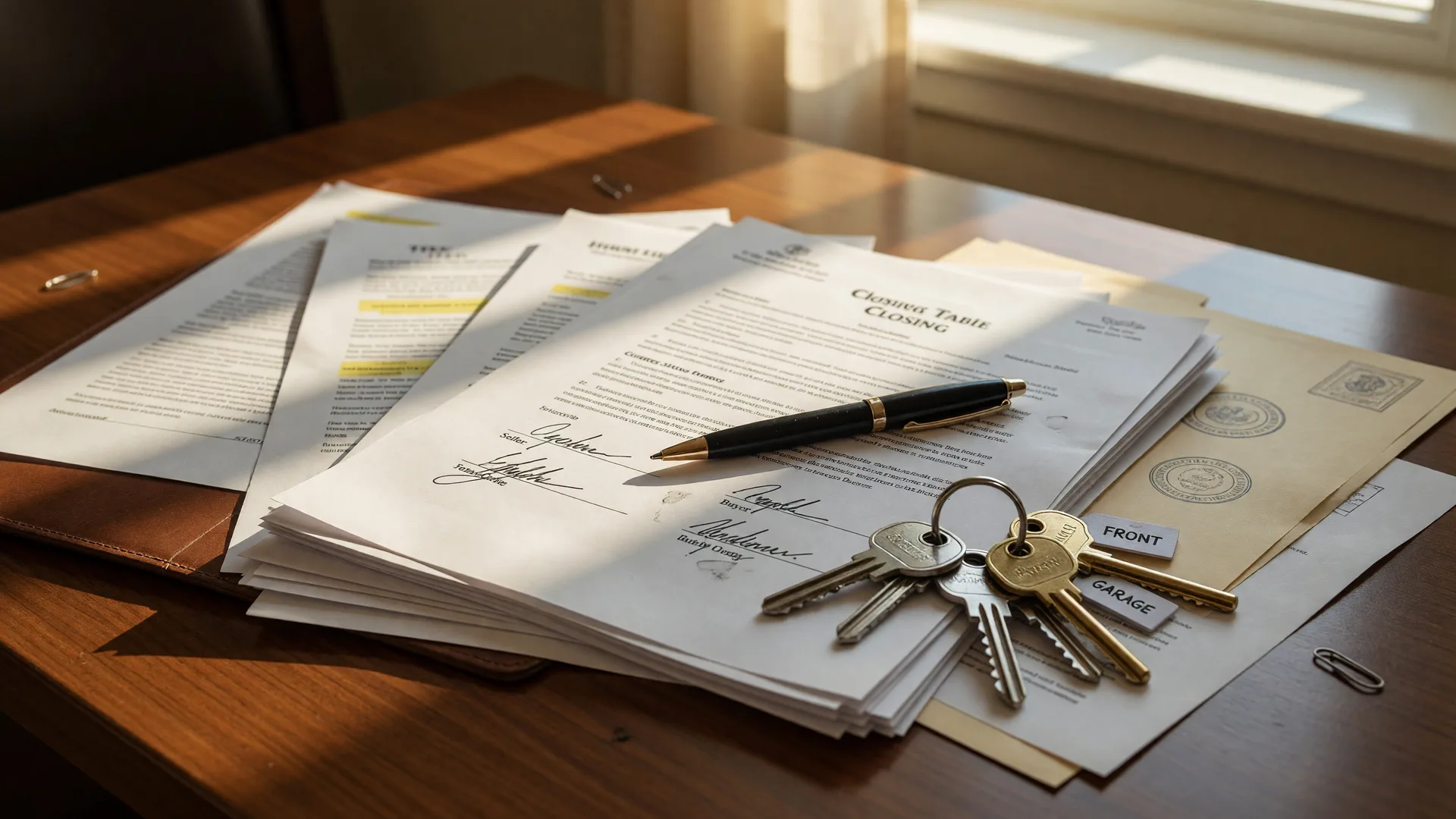
Going under contract feels like the finish line, but it isn't. Most Louisville home sales that fall apart don't die at the negotiating table -- they die somewhere in the weeks between signing the contract and walking into closing. The good news: nearly every reason a deal falls apart is predictable, and most are avoidable if you know what to watch for.
If you're wondering what can kill a home sale before closing, the answer is rarely just one thing. Financing, inspections, appraisals, title issues, and contract contingencies can all derail a transaction if they aren't managed carefully.
What You'll Learn
- The most common reasons contracts fall apart between acceptance and closing
- Which risks the seller can actually influence, and which ones are mostly on the buyer's side
- How financing, appraisal, inspection, and title issues each show up differently
- What a strong contract-to-close process looks like on my end as your agent
- What to do if something goes wrong
Tim's Take
In 24 years, I've closed well over 1,650 real estate transactions, and if there's one thing I've learned, it's that an accepted offer is a milestone, not a guarantee. Most of my sellers relax a little once they're under contract -- which is understandable, but it's actually when I start paying closer attention, not less. The period between contract and closing is where financing gets tested, the appraisal is completed, the inspection takes place, and the title is researched. Any one of those can surface a problem. The sellers who come through it smoothly aren't the lucky ones -- they're usually the ones whose agent was watching for trouble before it became a crisis.
For first-time buyers, understanding these risks before you make an offer is even more important. I cover the most common first-time buyer mistakes in a separate guide, including the one that carries the biggest financial consequences.
I walk through the full sequence of what happens after you go under contract in a separate guide. What follows here is about the specific, common risks that can stop a deal -- and what you can do about each one.
Financing Falls Through
This is the most common way a contract-to-close period goes sideways. A buyer may have been pre-approved, but pre-approval isn't the same as final loan approval. Between contract and closing, the lender re-verifies employment, income, and debt -- and if something changes (a job change, a new car loan, a dip in credit), the loan can be delayed or denied. I keep a close eye on financing contingency deadlines for exactly this reason, so we know quickly if there's a problem instead of finding out days before closing. Fortunately, this is also one of the risks that can often be identified early when everyone is communicating throughout the transaction.
The Appraisal Comes in Low
The buyer's lender will order an appraisal to confirm the home supports the loan amount. If it comes in below the contract price, the buyer's loan may not cover the gap -- which opens a negotiation: the buyer covers the difference in cash, the seller adjusts the price, or both sides split it. This is one of the reasons pricing correctly from Day One matters so much. A home priced to the evidence, not to hope, is far less likely to run into an appraisal gap in the first place.
The Inspection Uncovers a Real Problem
Most inspections turn up something -- that's normal, and it's not usually a deal-killer. What can kill a deal is a major structural, roof, foundation, or system issue that the buyer wasn't expecting and isn't willing to absorb. This is exactly why I encourage sellers to think honestly about repairs before listing, using the same evidence-based filter I walk through in my guide on what repairs to make before selling: fix what actually affects safety, function, or a buyer's confidence -- don't leave something big to be discovered for the first time during an inspection.
Title Issues Surface
Liens, unresolved estate matters, boundary disputes, or paperwork errors from decades ago can all surface during a title search. Most are resolvable, but they take time -- which is exactly what a closing timeline doesn't have much of. A good title company catches these early; the risk is when they surface late.
The Buyer Gets Cold Feet or Their Life Changes
Sometimes it isn't a technical problem at all. A job offer falls through, a family situation changes, or a buyer simply gets nervous about the size of the decision. There's less a seller can do to prevent this one -- but a well-qualified buyer, verified upfront rather than just pre-approved, is far less likely to walk for this reason, although no screening process can eliminate every unexpected life event.
A Contingency Isn't Met
Some contracts include contingencies beyond financing and inspection -- most commonly, the buyer needing to sell their own home first. If that sale stalls, it can stall yours too. Understanding exactly what contingencies are in your contract, and their deadlines, is part of what I track closely for every seller I represent.
Frequently Asked Questions
How often do accepted contracts actually fall apart?
Most contracts do close. But "most" isn't "all," which is exactly why the contract-to-close period deserves real attention rather than being treated as a formality.
If my sale falls through, do I have to start over completely?
Not necessarily. Depending on why it fell apart, we may be able to move quickly back to market, sometimes with buyers who were previously interested but lost out the first time.
Can I accept a backup offer while under contract?
Often, yes. In many transactions a seller can accept a backup offer that only becomes active if the primary contract falls through. It's a reasonable way to protect some of your momentum without disrupting the current transaction.
Can I do anything before listing to reduce these risks?
Yes -- pricing to the evidence, addressing real issues before they're discovered mid-transaction, and working with an agent who verifies buyers rather than just accepting a pre-approval letter all reduce risk well before you ever get a contract.
Does a low appraisal always kill the deal?
No. It opens a conversation, not an automatic end -- the outcome depends on what both sides are willing to do to close the gap.
How a Good Agent Manages These Risks
Every risk I've described here is something I watch for actively during the contract-to-close period. Understanding the full range of closing costs for sellers in Louisville is equally important -- your net sheet depends on how each of these risks is managed. And if you are a buyer rather than a seller, understanding the potential closing cost surprises from your side matters just as much -- I cover that in my guide on closing costs for Louisville buyers. This is part of what separates a smooth transaction from a stressful one -- and it's exactly the kind of invisible work a listing agent does that sellers don't always see. I break all of that down in my guide on what a real estate agent actually does for sellers.
When multiple offers are on the table, picking the right one matters even more -- a buyer with stronger financing may be worth accepting over a slightly higher number from a buyer who hasn't been as well qualified. I explain how to weigh those trade-offs in my guide on how multiple offers really work and in my evaluation of whether to accept the first offer.
Bottom Line
An accepted contract is real progress, but it's not the finish line. The homes that make it smoothly to closing usually aren't the ones that got lucky -- they're the ones where financing, the appraisal, the inspection, and title were all being watched carefully the entire way through. That's the job I take on the moment your home goes under contract.
If you're getting ready to sell and want to understand exactly what happens between an accepted offer and closing day, I'd be happy to walk you through it -- no pressure, no obligation. Call 502-429-3866.
Let's Talk About Your Specific Situation
Every sale is different. If you're under contract and something doesn't feel right -- or if you're preparing to list and want to avoid these risks from the start -- call me.
Call 502-429-3866.
Schedule a ConsultationAbout Tim Hollinden
Tim Hollinden is a former home builder and Broker Associate with The Hollinden Team at eXp Realty, licensed in Kentucky, Indiana, and Alabama. With 24+ years in real estate sales and more than 1,650 real estate transactions, Tim helps buyers and sellers throughout Greater Louisville and Southern Indiana make informed decisions using practical, evidence-based advice. His builder background provides added insight into construction, condition, improvements and value, while nearly two decades as a tech-company CEO shaped the systems-driven marketing he uses today. Tim is also a three-time eXp ICON Agent, an early A.I. Certified Agent™, and holds Zillow's Best of Zillow recognition.
-- Tim