
Older vs. Newer Homes in Louisville: What Relocating Buyers Should Know
By Tim Hollinden, Broker Associate | The Hollinden Team at eXp Realty
Quick Answer
Louisville has a wide range of housing, from early-1900s homes near the city's core to mid-century ranches to brand-new construction on the outer edges of the metro. Neither older nor newer is automatically better. Older homes often offer character, established lots, and solid materials, but they can come with aging wiring, plumbing, sewer lines, and windows that deserve a close look. Newer homes are built to more recent energy codes and come with newer major systems, which may mean less maintenance exposure in the early years. But they aren't problem-free, and they often come with smaller lots and HOA fees. Some things, like radon, can't be judged by a home's age at all. The right choice depends on what you value, how much upkeep you're comfortable with, and what each specific home will cost you to own.
What You'll Learn
- How Louisville's housing stock breaks down, roughly by era
- What older homes do well, and what I'd look at closely before buying one
- Why newer doesn't mean problem-free
- What a home's age can't tell you
- How home age affects what it costs to own, not just what it costs to buy
- How to evaluate either kind of home when you're buying from out of town
Tim's Take
I built homes before I ever sold them, so I tend to look at a house differently than most people do. When I walk into a 1920s home in the Highlands, I'm admiring the woodwork like everyone else, but I'm also wondering what's behind the plaster. When I walk into a brand-new home, I'm noticing the finishes, but I'm also looking at how the yard drains and how carefully the trim was installed.
Relocating buyers ask me about older versus newer homes all the time, especially when they're coming from somewhere the housing looks very different. Someone moving from a newer suburb in the South might never have owned a house with a basement or plaster walls. Someone from an older East Coast city might be surprised by how much new construction we have. Either way, the honest answer is that both can be great homes. They just ask different things of you.
Louisville's Housing, Roughly by Era
It helps to know what you're looking at. These are broad strokes, and there are exceptions everywhere, but they'll help you get oriented.
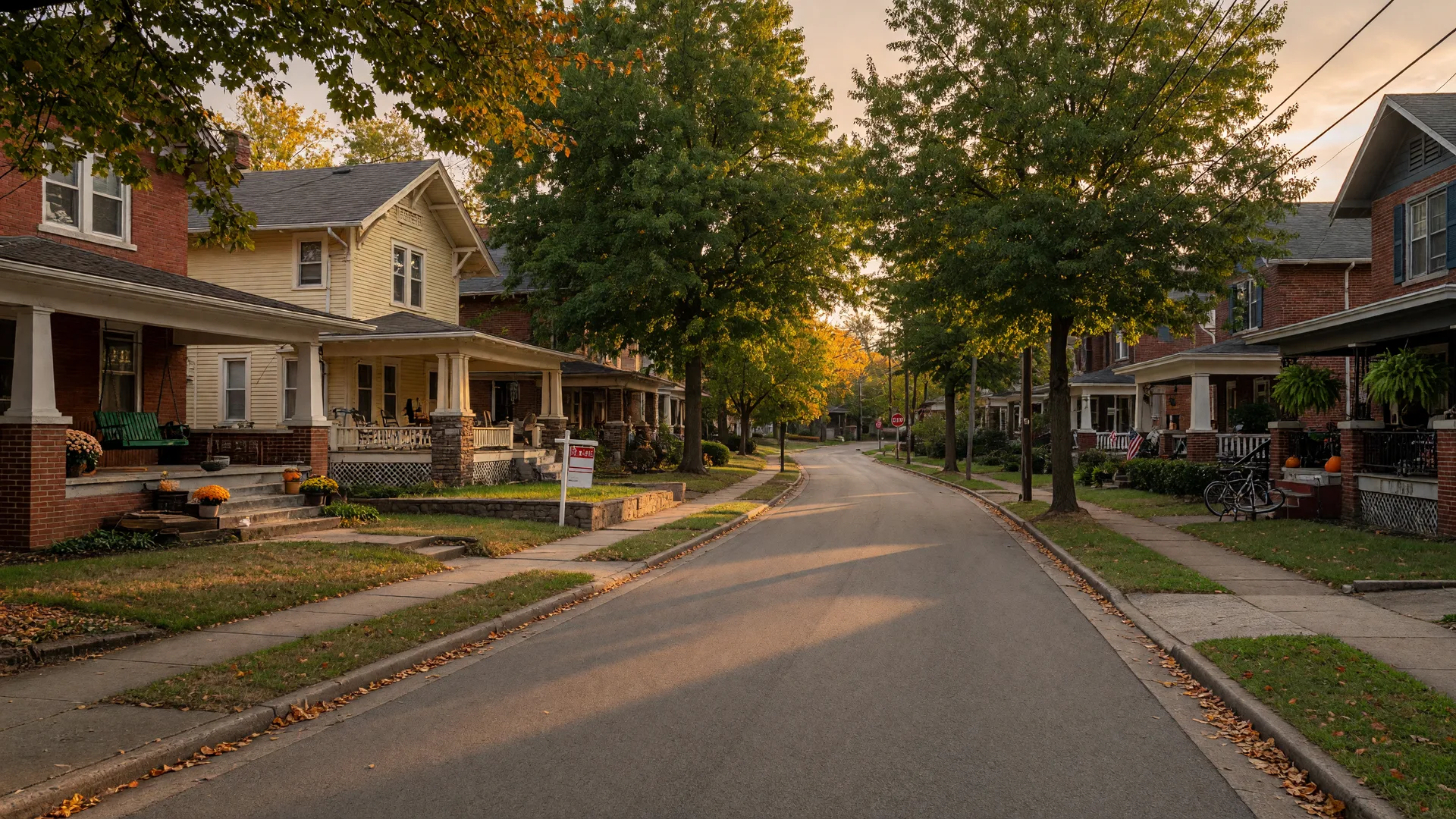
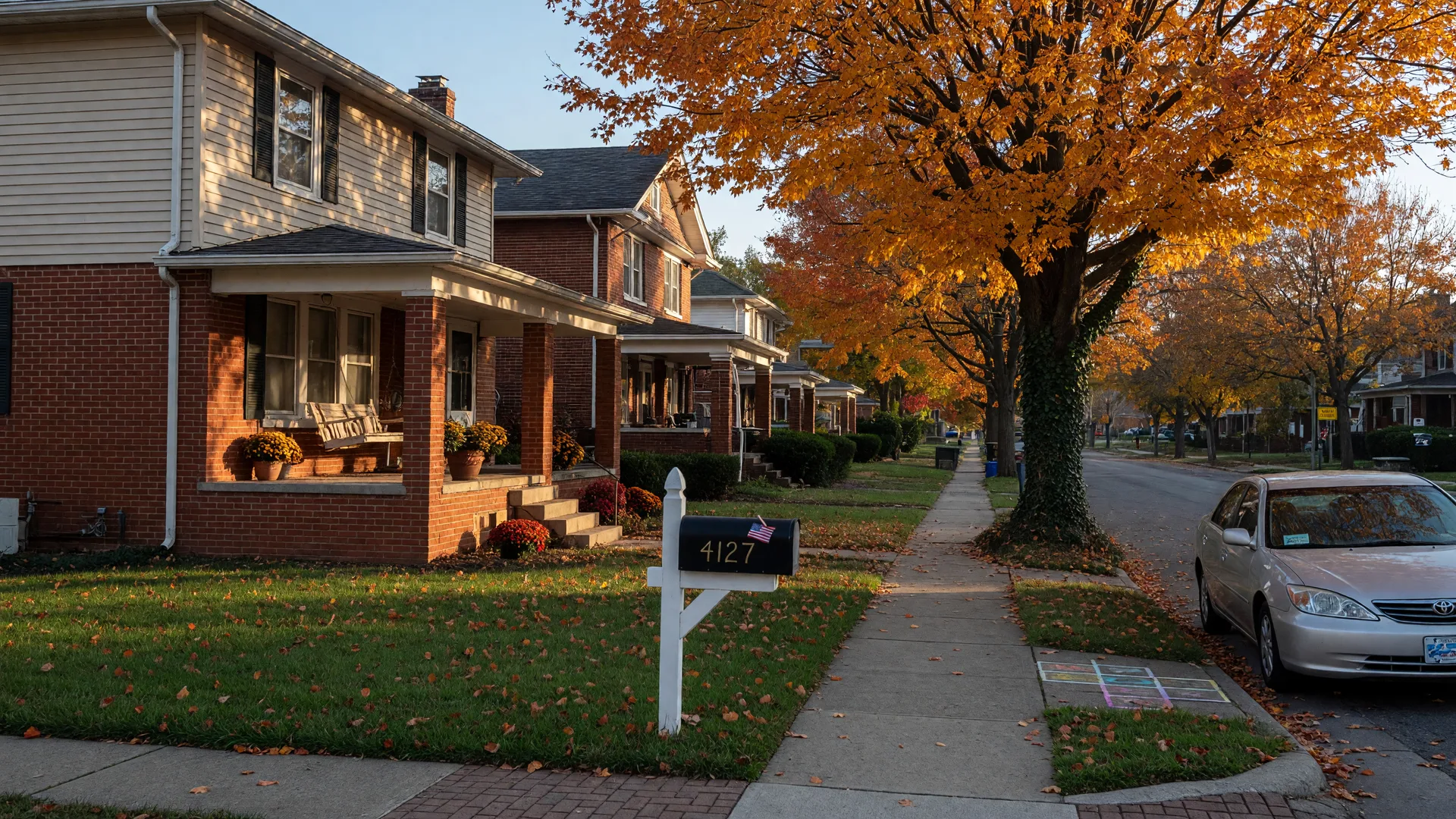
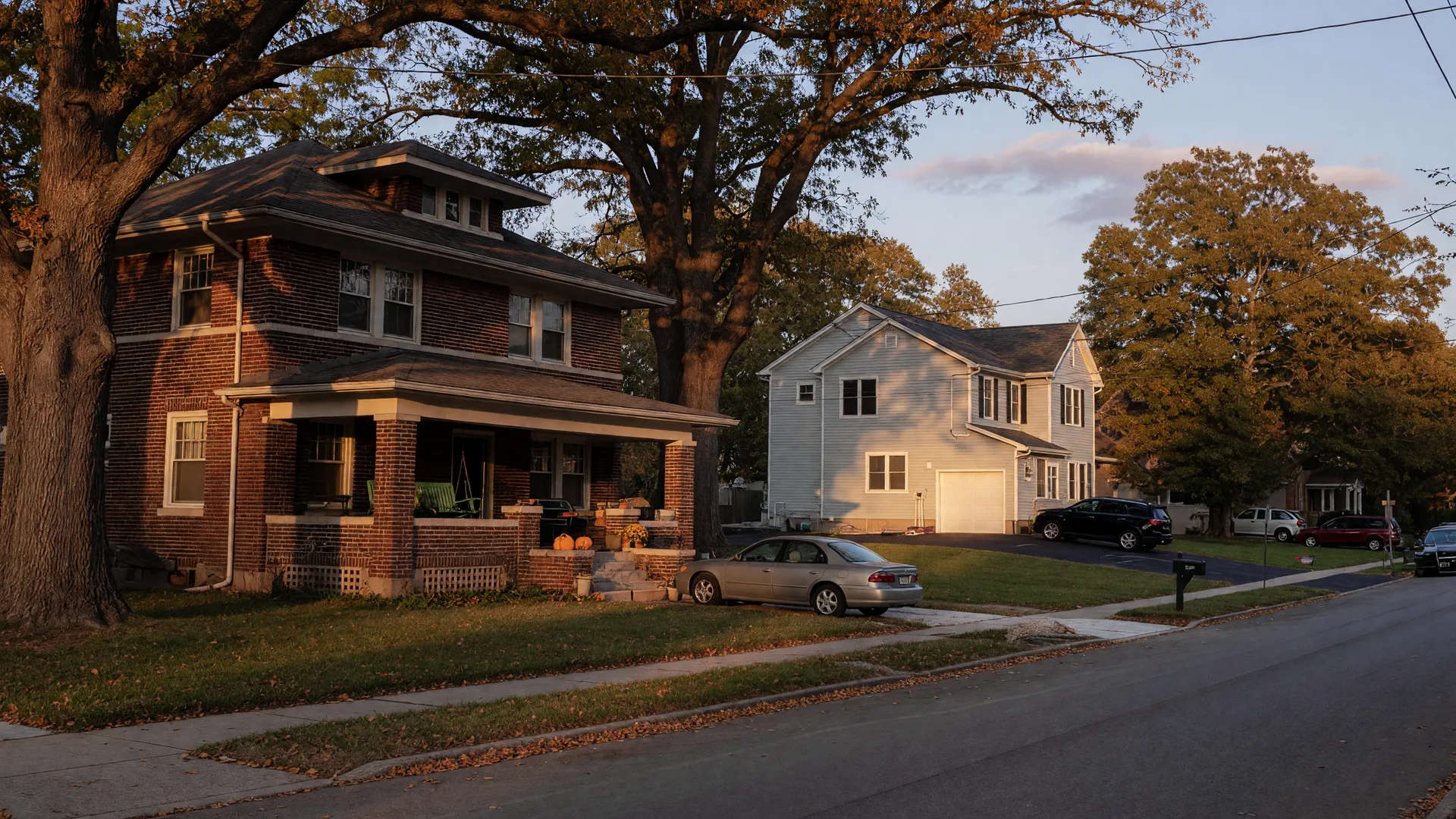
The older neighborhoods closer to the city's core, such as Old Louisville, the Highlands, and Crescent Hill, have a lot of homes built in the late 1800s and early 1900s. Much of the inner suburban ring filled in from roughly the 1950s through the 1970s, which is why you'll see so many brick ranches and split-levels in parts of Jefferson County. Newer subdivisions and new construction are more common on the outer edges of Jefferson County and in surrounding counties like Oldham and Bullitt.
None of that tells you which area is right for you. It just tells you what kind of house you're likely to be evaluating, and that affects what to inspect closely and what to budget for.
What Older Homes Do Well
There's a reason people fall in love with older Louisville homes. Many were built with materials you'd pay a premium for today: solid hardwood floors, real plaster walls, heavy trim, and brick that's held up for a century. Lots are often more established, with mature trees that took decades to grow. And plenty of older homes have already had their big systems replaced at some point, which means some of the expensive work may already be done.
Character is hard to put a price on, and I'd never talk someone out of a home they love. I just want them to go in with their eyes open.
What I'd Look at Closely in an Older Home
This is where my builder background earns its keep. With older homes, the surface usually tells you less than what's behind it.
Electrical. Depending on the age and the updates, an older home might still have outdated wiring or an older electrical panel that an inspector flags. That doesn't automatically kill a deal, but it's worth knowing the cost to bring it up to date before you make an offer you can't adjust.
Plumbing and sewer lines. Older supply pipes and older sewer lines can be expensive to replace, and the sewer line is underground, where nobody can see it. On an older home, I'd strongly consider a sewer-line camera inspection. It's one of the few ways to see what you're actually buying underground.
Basements and water. Many Louisville homes have basements, and older basements are where water problems tend to show up. I look for staining, efflorescence, musty smells, and how the ground slopes around the house. A dry basement during a dry showing doesn't tell you much about a wet spring.
Termites and other wood-destroying insects. A home that's been standing for decades has had decades of exposure. I look for any evidence or history of termite or other wood-destroying-insect activity, ask whether the home has been treated and when, and want to know about any damage and how it was repaired. Where there's any question, a professional wood-destroying-insect inspection is worth it.
Windows, insulation, and HVAC. Original windows have charm, but they and older insulation can make a big difference in your utility bills. I'd ask for a year of utility history on any home, and especially on an older one.
Lead-based paint. For most homes built before 1978, the EPA/HUD Real Estate Lead-Based Paint Disclosure Rule requires the seller to disclose any known lead-based paint or lead-based paint hazards, share any available records or reports, and give you the EPA's lead-safety pamphlet. You're also entitled to a 10-day period, or another period you and the seller agree on, to have a lead inspection or risk assessment done, though buyers can waive it. Sellers aren't required to test, so if this applies to a home you're considering, take the disclosure seriously and decide whether you want that inspection.
None of these are reasons to avoid an older home. They're reasons to inspect carefully and to price the work into your decision. If a home needs more than you expected, my guide on whether to buy a fixer-upper in Louisville walks through how to think about it.
What Newer Homes Do Well
Newer homes have real advantages. They're built to more recent energy codes, and the major systems and components — the HVAC, roof, water heater, and appliances — are new. That may mean less maintenance exposure in the early years, though it always depends on the specific home. Layouts often fit how people live now: more open floor plans, larger closets, more bathrooms, and attached garages. And new construction usually comes with a builder warranty for a period of time. I explain how that differs from a home warranty in builder warranty vs. home warranty.
Newer Doesn't Mean Problem-Free
This is the part I wish more buyers heard. A new house is new, but it hasn't been tested yet.
Construction quality varies from builder to builder, and even from house to house within the same community. Grading and drainage are two of the things I pay closest attention to in newer subdivisions. Lots are often smaller, trees are often small or nonexistent, and many newer communities have HOA fees and rules that you'll want to read before you commit.
On a new home, I'd want to know how termite protection was handled during construction. Kentucky's residential code requires termite protection but allows several different methods, including soil treatment, bait systems, treated or naturally resistant wood, and physical barriers. I'd ask what method was used, what documentation the builder can provide, and whether there's a warranty or ongoing service requirement.
I'd also never skip an independent inspection just because a home is new. A good inspector catches things that are easy to miss when everything looks fresh. If you're buying new construction, what happens during the final walkthrough is worth reading, and so is which builder upgrades are actually worth paying for. If you're still deciding between building and buying, I cover that in should I build or buy a home in Louisville?
Some Things Aren't About Age
Home age doesn't tell you whether you have a radon problem. According to the EPA, any home can have elevated radon, new or old, drafty or tightly sealed, with a basement or without. EPA's guidance is straightforward: testing is the way to know a home's radon level. So I wouldn't assume an older home is riskier or a newer one is safer.
If a newer home has a radon-resistant or passive radon system, that's useful information. It's not proof of the home's actual radon level. The EPA recommends testing new homes after move-in, even ones built with radon-resistant features. The EPA's guidance on radon explains testing and what the results mean.
What Each One Costs to Own
Purchase price is only part of it. An older home at the same price as a newer one can cost more each month in utilities and maintenance. It can also cost less, if the big systems have already been replaced and the lot doesn't come with an HOA fee. The only way to know is to look at the specific home.
When I'm helping buyers compare, I want to know the age of the roof, the HVAC system, and the water heater, along with a year of utility bills and anything the seller has disclosed. That gives you a realistic picture of what's coming in the next five to ten years. If you're relocating, I walk through the bigger budget picture in cost of living in Louisville: what to compare before you move.
And if you're thinking about updating an older home after you buy it, it's worth knowing which home improvements actually increase value in Louisville before you start.
Buying From a Distance
Relocating buyers often have one or two short trips to see homes, and sometimes they can't be here at all for a home they're seriously considering. When that happens, I can tour the home in person on their behalf and send video and photo walkthroughs, so they're not relying only on listing photos.
That's where my builder background really helps. On those visits, I'm not just filming rooms. I'm paying attention to things like the grading around the house, visible mechanical-system information, signs of moisture in the basement, the condition of the windows, and anything else I'd want a relocating buyer to see beyond the listing photos. If something concerns me, I'll say so.
But a walkthrough has limits, whether I'm doing it or you are. A video can show you the kitchen. It can't show you the sewer line. My visit doesn't replace an independent home inspection, and it doesn't replace specialized evaluations like a sewer camera inspection, a wood-destroying-insect inspection, radon testing, or a lead inspection where it applies. If you're buying from out of town, I'd also ask for every disclosure and every record the seller has, plus a year of utility history.
If you're still figuring out where to look, how to choose a Louisville neighborhood when you're relocating is a good place to start. And for the full order of things, here's what I tell relocating buyers.
So Which Is Right for You?
That's genuinely your call, and it depends on things only you know. How much do you value character versus convenience? How comfortable are you with maintenance and the occasional surprise? Do you want a mature lot, or a newer layout and newer systems? How much of your budget do you want available for updates?
There's no wrong answer. Where people get into trouble is choosing based on how a house looks and not on what it'll take to own it. I'm happy to help with the second part.
Frequently Asked Questions
Are older homes in Louisville a bad investment?
Not at all. Many older Louisville homes are well built and hold their appeal for decades. The key is understanding the condition of the big systems — electrical, plumbing, sewer, roof, and HVAC — and pricing any needed work into your decision.
Do I need a home inspection on a brand-new home?
I'd strongly recommend one. New homes can have issues with construction, grading, or drainage that are easy to miss when everything looks fresh, and an independent inspector works for you.
What should I inspect on an older home in Louisville?
Beyond a standard home inspection, I'd pay close attention to the electrical panel and wiring, the plumbing and sewer line (a camera inspection is worth considering), the basement and drainage, any history of termite activity, and windows and insulation. For most homes built before 1978, review the lead-based paint disclosure and decide whether you want a lead inspection.
Is a newer home less likely to have radon?
You can't tell from the home's age. According to the EPA, any home can have a radon problem, and testing is the only way to know. A radon-resistant system in a newer home is useful information, but the EPA still recommends testing.
Are newer homes cheaper to own?
Sometimes, especially in the early years, because the major systems are new and the home was built to more recent energy codes. But HOA fees, smaller lots, and other factors can offset that, and an older home with recently replaced systems can be very competitive. It comes down to the specific home.
Can I buy an older home in Louisville if I'm relocating from out of state?
Yes. Plenty of buyers do. If you can't be here, I can tour the home for you and send video walkthroughs, but I'd still lean on a thorough independent inspection, ask for every disclosure and every record the seller has, and request a year of utility history before you commit.
Bottom Line
Older and newer homes in Louisville both have a lot going for them. Older homes offer character, established lots, and solid materials, but deserve a careful look at what's behind the walls and under the yard. Newer homes offer newer systems and more recent energy codes, but they're not problem-free, and they come with tradeoffs of their own. Some things, like radon, can't be judged by age at all. Choose based on what the home will take to own, not just how it looks on the first walk-through, and you'll be in good shape either way.
Weighing an Older Home Against a Newer One?
If you're relocating to Louisville and want help evaluating what a specific home will really take to own, older or newer, I'd be happy to walk through it with you. No pressure, no obligation — just an honest conversation. Call 502-429-3866.
About Tim Hollinden
Tim Hollinden is a former home builder and Broker Associate with The Hollinden Team at eXp Realty. For more than 24 years, he has completed over 1,650 real estate transactions throughout Greater Louisville by combining builder knowledge with practical, evidence-based real estate advice.