
Why Do Two Identical Homes Sell for Different Prices?
By Tim Hollinden, Broker Associate | The Hollinden Team at eXp Realty
Quick Answer
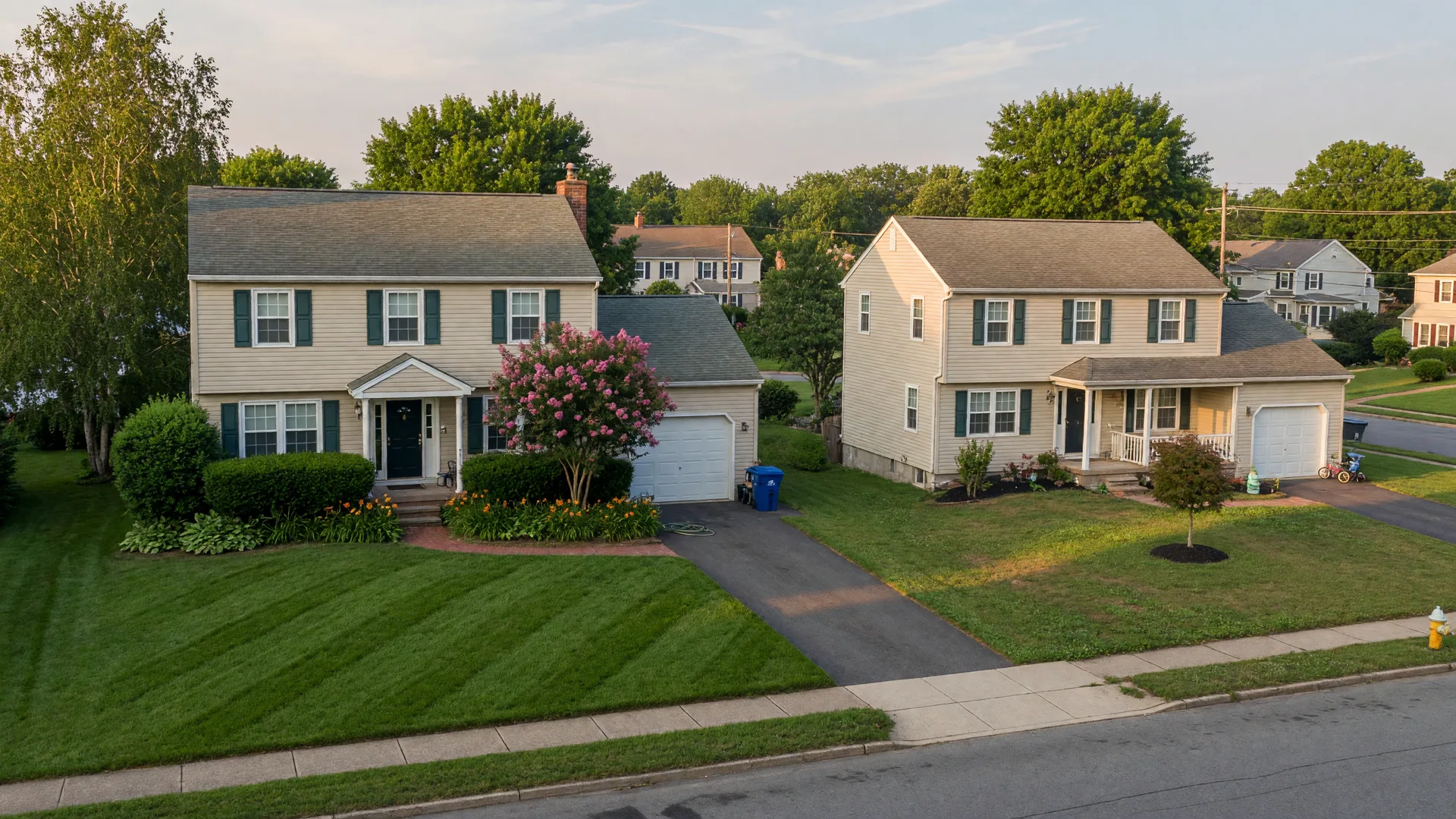
Two homes can share the same floor plan and still sell for noticeably different prices. The gap usually comes down to six things: the lot itself, condition, market timing, how the home was priced, how it was presented, and how the negotiation actually played out.
What You'll Learn
- Why the lot a home sits on can matter as much as the home itself
- Why an older comp may need adjusting for market timing
- How initial pricing -- not just negotiation -- shapes the final number
- The difference between presentation and evidence
- Why sale price alone can be misleading once concessions enter the picture
- How to actually deconstruct a comp that doesn't match what you're expecting
Tim's Take
I get this question all the time -- usually from a seller who's found a comp with the same builder's floor plan down the street, and it sold for $20,000 more or less than what I'm suggesting. Over the years I've learned that buyers aren't buying a blueprint. They're buying the specific home, on the specific lot, in its current condition, at that particular moment in the market. Once you break the gap down into its actual pieces, it almost always makes sense.
Same Floor Plan Doesn't Mean Same Location
This is the piece sellers overlook most, and given my background building homes, it's the one I notice first. Two identical floor plans in the same neighborhood can carry real value differences before a buyer ever walks in the door. One backs to woods; the other backs to a busy road. One has a flat, usable backyard; the other's on a steep lot. Cul-de-sac versus through street, walkout basement versus non-walkout, privacy, orientation, proximity to an entrance or commercial area -- these aren't cosmetic differences. They're often the single biggest reason two "identical" homes aren't actually comparable.
Condition Still Matters
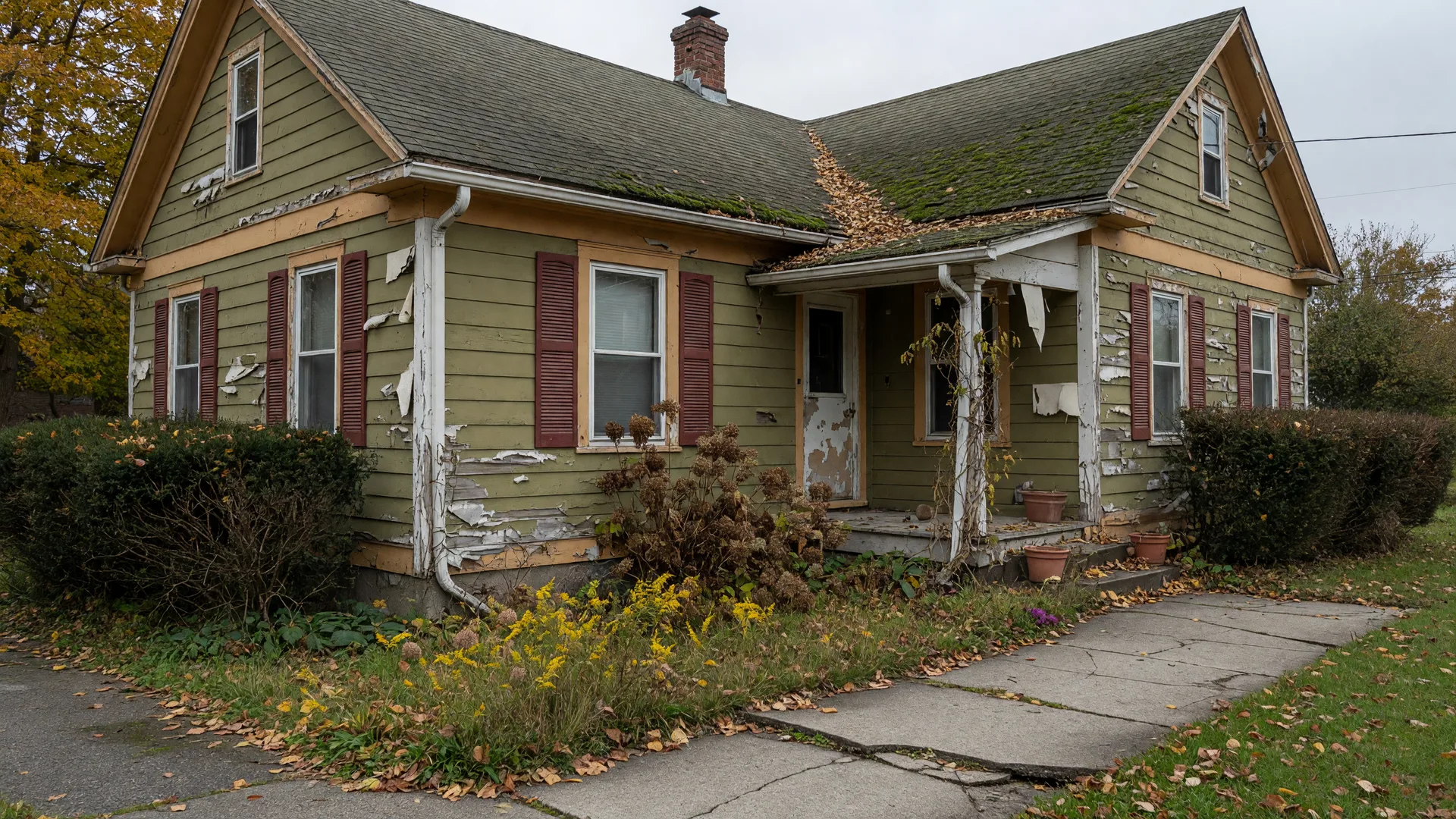
Beyond the lot, condition can create another meaningful difference. A kitchen updated five years ago versus twenty-five, a newer roof or HVAC system, a basement finish done well versus done cheap -- none of that shows up on a floor plan, but all of it shows up in the price. This is exactly the type of gap that the Evidence Test and Pricing on the Bubble framework is built to identify -- because condition differences between comparable homes are a signal, not noise. For a deeper breakdown of which condition issues actually move the needle, see what actually lowers a home's value.
Market Timing Changes the Competition
The important point isn't that spring beats winter. It's that a home's value is determined by the market that exists at the moment it's exposed to buyers -- and that market doesn't hold still. Inventory rises and falls, interest rates move, and new competing listings appear. A comp from three months ago sold into a competitive environment that may not exist today, which is exactly why an older "identical" sale sometimes needs adjusting before it's a fair comparison. For a closer look at how listing timing and market conditions interact, see our guide on how market timing affects your timeline.
Pricing Strategy Shapes the Buyer Pool
Here's where it gets interesting, and where Pricing on the Bubble comes in. Two identical homes can be exposed to two completely different buyer pools simply based on where they're priced. A home listed at $499,900 sits in front of buyers searching up to $500,000; the same home at $515,000 misses that entire pool. More buyers seeing a home generally means more competition -- and that's a decision made before a single showing happens, separate from anything that happens later at the negotiating table. We cover the most common pricing mistakes sellers make in a separate article, including exactly how misreading comparables feeds into overpricing.
Presentation Shapes the Response -- It Isn't the Evidence Itself
I want to be precise about this one, because I've been careful elsewhere about what "evidence" actually means. Presentation itself isn't evidence. What it does is influence the buyer's first impression, which affects how much interest a home generates -- and that resulting interest, in showings, feedback, and offers, is what becomes evidence of how the market is actually responding. For a full breakdown of how to think about presentation before you list, read our guide on whether staging makes a difference for Louisville sellers.
Sale Price Isn't the Whole Story -- Terms Are
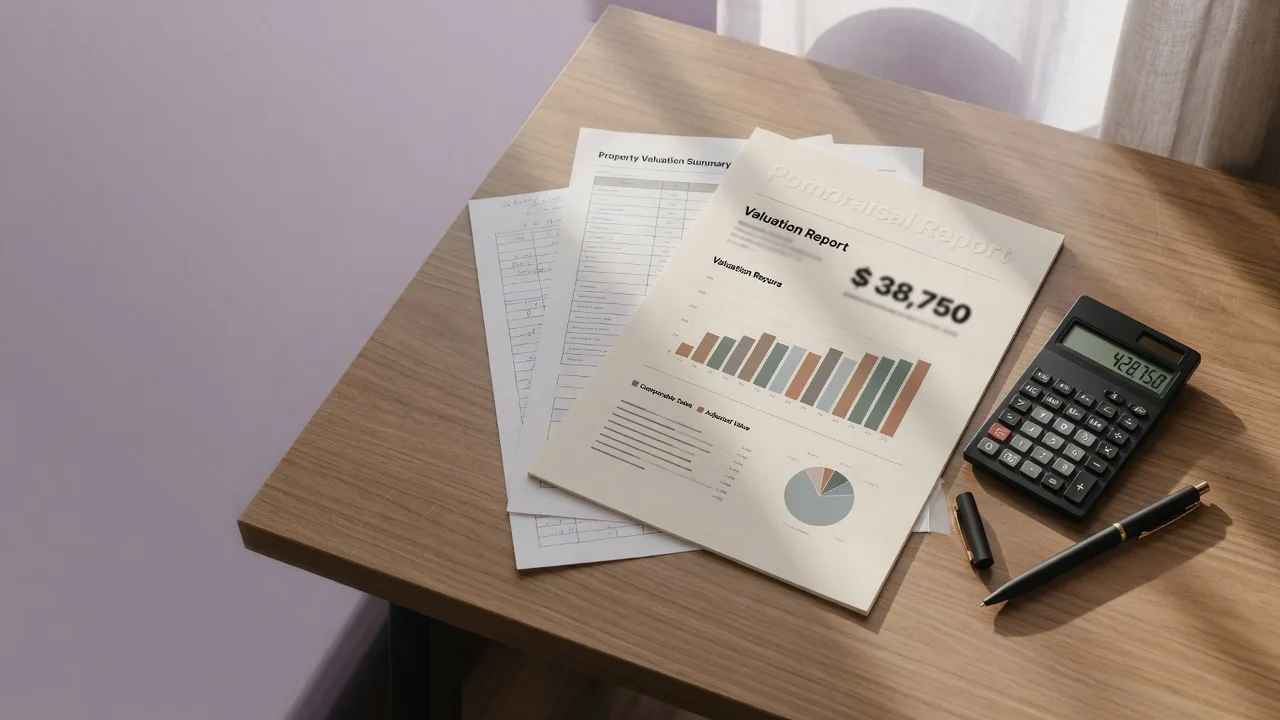
This is where a lot of sellers get misled by MLS comps. Say one home records a $500,000 sale price with $8,000 in seller-paid concessions, and another sells for $495,000 with no concessions at all. On price alone, the first home appears to have sold for $5,000 more. But once you subtract the concession, that seller's proceeds are effectively $492,000 before other transaction costs -- $3,000 less than the second seller's $495,000. Looking at the recorded price alone can point you in exactly the wrong direction. Understanding this is part of why getting an accurate home valuation from a professional who reads past the headline number matters so much.
Applying the Evidence Test to a Contradictory Comp
When a seller shows me a comp that doesn't match what I'm recommending, I don't ask "which sale is right?" I ask "what was different?" -- and I work through it in the same order this article just walked through: the property and lot, then condition, then timing and competition, then pricing and positioning, then presentation, then terms and negotiation. Somewhere in that sequence is almost always the explanation. This is the same Evidence Test framework I apply to understanding broader value differences between similar homes that automated valuation models miss.
Frequently Asked Questions
If my neighbor's identical home sold for more, should I price mine the same?
Only once you've checked whether the lot, condition, timing, and terms actually match. A single comp is one data point, not the full picture.
Does a lower price ever lead to a higher final sale price?
It can. A home priced to generate buyer competition sometimes closes higher than one priced high and negotiated down later.
Which matters more -- lot or condition?
Both matter, but condition is the piece a seller can actually change before listing. The lot is fixed, which is exactly why it's so often overlooked.
Bottom Line
"Identical" homes rarely are, once you look past the floor plan. The real explanation almost always lives in the lot, the condition, the timing, the pricing strategy, the presentation, or the terms -- and the Evidence Test is how you work through which ones actually applied.
If you've got a comp that doesn't match what you're expecting to hear, I'm happy to walk through the actual evidence with you -- no pressure, no obligation. Call 502-429-3866.
Got a Comp That Doesn't Add Up?
If you've found a comparable sale that doesn't match what you're hearing from your agent -- or you just want an honest second opinion on what your home is worth -- I'm happy to walk through the evidence with you. No pressure. No obligation.
Get in TouchCall 502-429-3866
About Tim Hollinden
Tim Hollinden is a former home builder and Broker Associate with The Hollinden Team at eXp Realty, licensed in Kentucky, Indiana, and Alabama. With 24+ years in real estate sales and more than 1,650 real estate transactions, Tim helps buyers and sellers throughout Greater Louisville and Southern Indiana make informed decisions using practical, evidence-based advice. His builder background provides added insight into construction, condition, improvements and value, while nearly two decades as a tech-company CEO shaped the systems-driven marketing he uses today. Tim is also a three-time eXp ICON Agent, an early A.I. Certified Agent™, and holds Zillow's Best of Zillow recognition.
— Tim