
What Actually Lowers a Home's Value?
By Tim Hollinden, Broker Associate | The Hollinden Team at eXp Realty
Quick Answer
Most of what lowers a home's value isn't the market — it's deferred maintenance, over-personalized upgrades, and presentation problems that are almost entirely within a seller's control. The good news is that once you know what actually moves the number down, most of it is fixable before you ever list.
What You'll Learn
- Why "lowering value" and "not increasing value" are two different problems
- The maintenance items that quietly cost sellers the most
- Why some upgrades can actually work against you
- How to tell the difference between something worth fixing and something worth leaving alone
Tim's Take
Sellers ask me all the time which improvements will increase their home's value. Almost nobody asks me the other question — what's actually working against them right now. In my experience, that second question usually matters more. I can point to plenty of homes that didn't need a single upgrade to sell well. I can't think of one that sold well while ignoring the roof, the HVAC, or six months of visible neglect.
Why This Question Gets Skipped
Homeowners tend to think about value in one direction: what can I add? Paint, landscaping, a remodeled bathroom. That's a reasonable place to start, but it misses something important — value isn't only built up, it's also lost, and often lost faster than it's gained. A beautifully remodeled kitchen can be overshadowed by a leaking roof, a musty basement, or an HVAC system that's obviously been neglected. Real estate isn't scored on a report card where strengths cancel out weaknesses. Buyers tend to remember the one thing that made them nervous.
The Two Ways Value Actually Gets Lost
I've found it helps to split this into two categories, because they're solved differently.
1. Neglecting Type 1 items
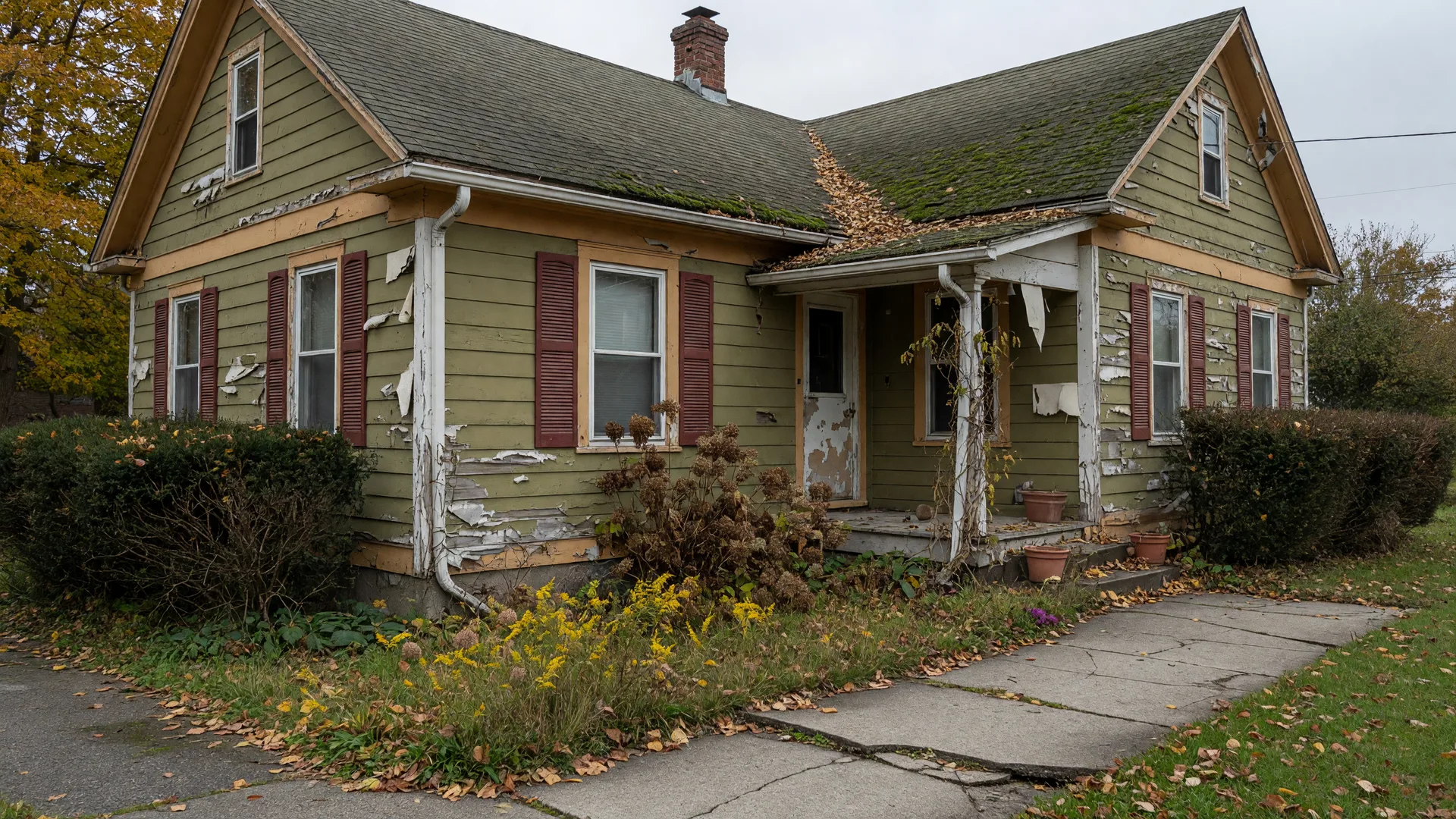
In the Type 1 vs. Type 2 framework I use with every seller, Type 1 improvements are the ones that protect value — they don't necessarily add anything exciting, but skipping them costs you. Roof condition, HVAC function, foundation issues, plumbing and electrical safety, visible water damage. A neglected pool — cracked shell, failing equipment, or deferred maintenance around it — sends the same kind of signal to buyers. I cover whether a pool helps or hurts resale in a separate guide. These are the same categories I run through with the Hollinden Repair Filter: will this show up on an inspection, will buyers notice it immediately, will it cost more if I wait. When these get ignored, buyers rarely subtract only the repair cost. They subtract the repair cost, plus uncertainty about what else hasn't been maintained, plus the inconvenience of dealing with it, plus a little fear that they're missing something bigger.
2. Over-personalizing past the Neighborhood Ceiling
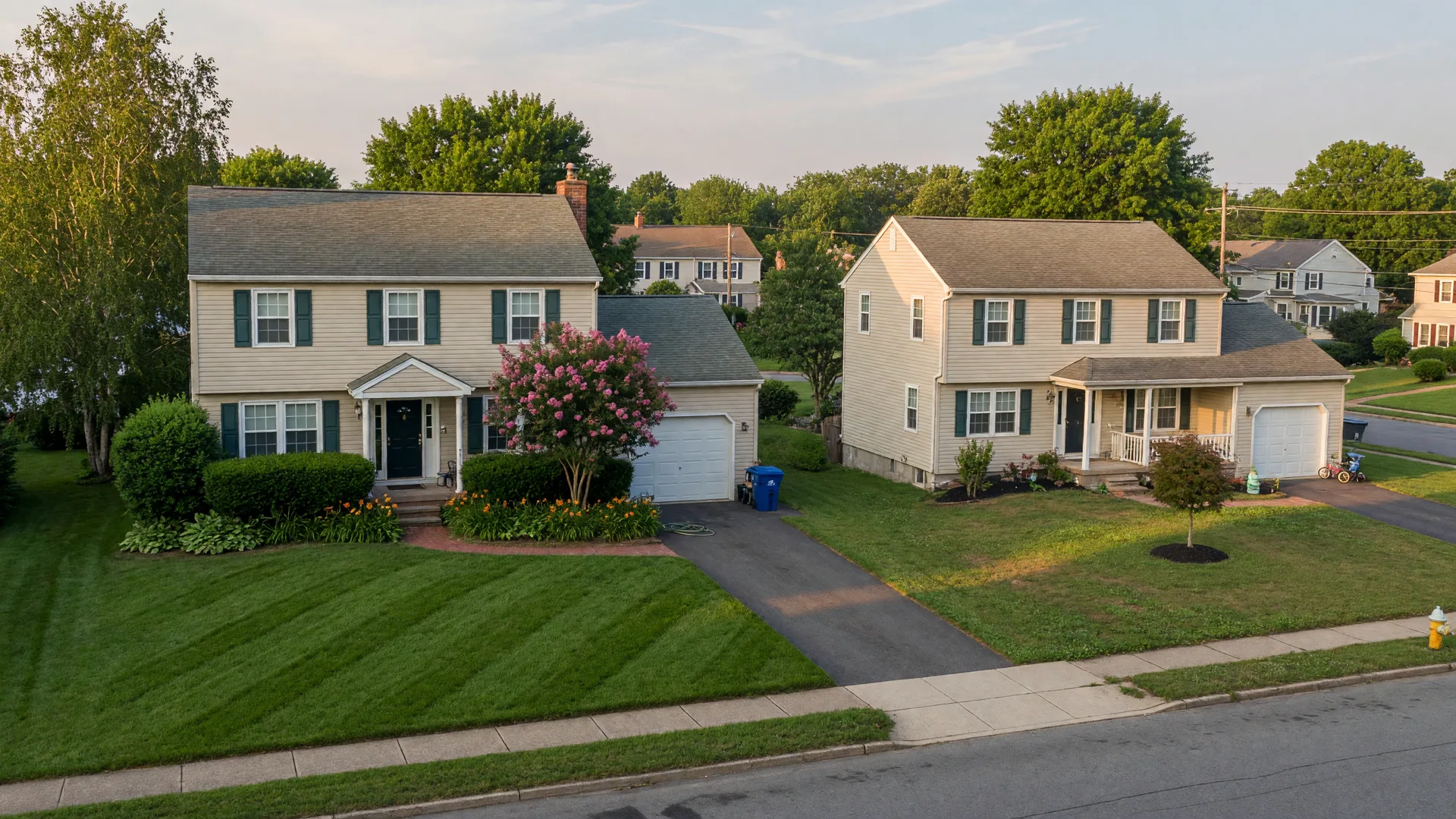
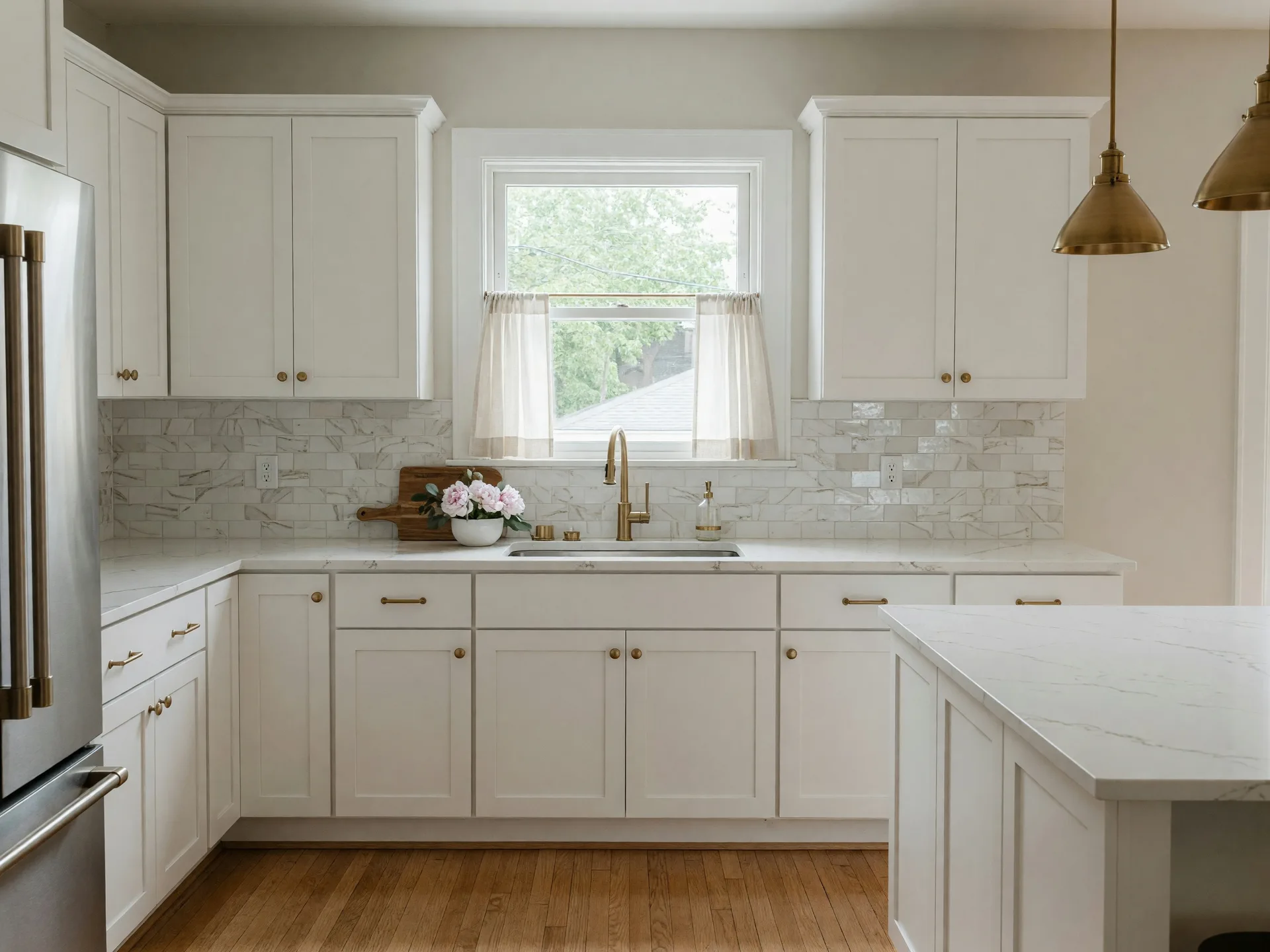
This is the flip side. Type 2 improvements increase value, but only conditionally — and one of the biggest conditions is your neighborhood's ceiling. If every home on your street sells between $450,000 and $525,000, a $150,000 luxury kitchen doesn't create a $650,000 home. It usually means you've spent money the market won't fully return. The same goes for highly customized features — a home theater, an indoor golf simulator, a built-in aquarium. They might have been wonderful for your own enjoyment. They narrow your buyer pool at resale instead of widening it, because most buyers are budgeting to undo, not preserve, someone else's specific taste.
This is exactly the kind of over-personalization I cover in my guide on whether to remodel before selling — the distinction between projects that broaden buyer appeal and projects that narrow it.
There's one more thing I want to mention here because sellers ask about it more often than you'd think: what about a neighbor's visible property issues? An overgrown lot next door or a home in obvious disrepair can quietly affect how buyers perceive your property, even though you have no control over it. I wrote a deeper breakdown of whether bad neighbors actually hurt resale value in a separate article.
Condition and Presentation: The Quiet Value-Killers
Beyond big-ticket items, value also leaks out in smaller, cumulative ways: cluttered or overly personalized rooms that make it hard for a buyer to picture themselves there, strong odors — pets, smoke, cooking — that register before a buyer even finishes the first room, overgrown landscaping that undercuts curb appeal before anyone opens the front door, and outdated lighting or fixtures that make an otherwise solid home feel older than it is. Many of these are inexpensive to address. Others can become surprisingly expensive if they've been ignored for years — odor and moisture issues in particular have a way of turning into a bigger job the longer they sit. A musty basement or unresolved moisture problem is a classic Type 1 item, and I covered why that matters in my guide to finished basement value.
For sellers wondering whether staging is worth it, this is the right lens: presentation problems don't always need staging to fix — they often just need a thorough, honest look at what's making the wrong first impression.
One More Way Value Gets Lost: Price, Not Just Property
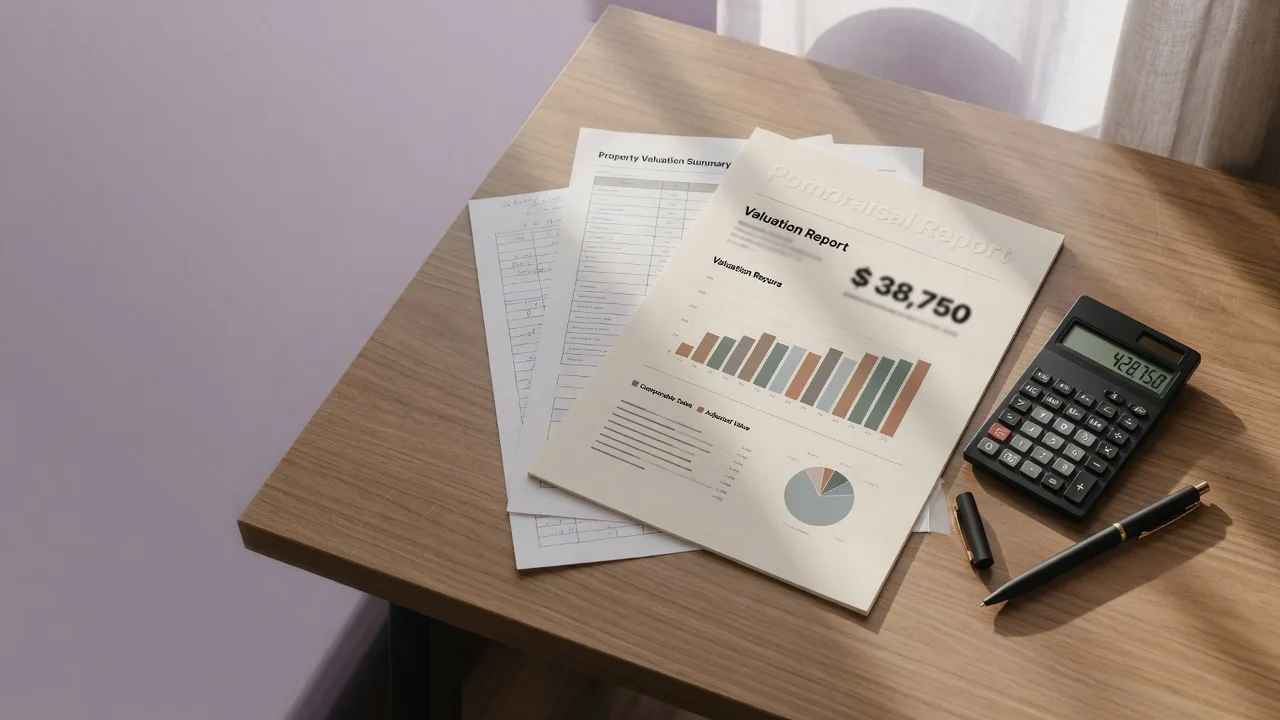
It's worth saying plainly — sometimes what "lowers value" isn't the home at all. An overpriced listing that sits too long past its Launch Window often ends up selling for less than it would have if it had been priced correctly from day one, because buyers begin assuming they're seeing something everyone else already rejected. That's a pricing conversation, not a property condition conversation, but it belongs in this discussion because the effect on your bottom line is the same. And the same principle applies when you're looking at two comparable floor plans that sold for different amounts — the gap is rarely about the home itself. I break down the six factors that actually drive those differences in my article on comparable homes with different values.
I've written about this in detail in my guide on how to price your Louisville home correctly — because protecting value starts with getting the launch number right.
How I'd Think Through This
If I were walking a seller through their own home, I'd ask it in this order: Is there anything here that would concern an inspector or a buyer's confidence in the home's upkeep? Is there anything highly personalized that a typical buyer in this price range wouldn't want or use? Is the home clean, decluttered, and presented the way a buyer would want to picture living here? Getting the first question right protects value. The second and third are about not working against yourself unnecessarily.
And if you're not sure which repairs are actually worth making before listing, my guide on repairs to skip before selling covers the other side of that decision — knowing what not to fix is just as important.
Frequently Asked Questions
Does an outdated but well-maintained home lose value?
It can, but usually far less than a neglected home. Buyers often see an older kitchen as a project they can tackle over time. They see a failing roof or foundation issue as an immediate problem.
Can too much staging or personalization actually hurt a listing?
Over-staging is rare, but over-personalization is common — bold paint colors, extensive collections, or highly specific room conversions can make it harder for buyers to picture their own life in the space.
Is it ever worth fixing something that won't show up on an inspection?
Sometimes, if it's affecting how the home presents — but I'd weigh it against the Repair Filter questions first rather than assume every fix pays for itself.
Do all Type 2 improvements risk going past the neighborhood ceiling?
No — most stay well within it. It's really the top-tier, high-cost upgrades in a moderately priced neighborhood where this becomes a real risk.
Bottom Line
Protecting value and adding value are two different jobs, and most sellers only think about the second one. Before you spend a dollar trying to increase what your home is worth, it's worth making sure nothing is quietly working against you first.
If you'd like an honest, room-by-room read on what's helping your home and what might be working against it, I'm happy to walk through it with you — no pressure, no obligation. Call 502-429-3866.
Related Reading
- Which Home Improvements Actually Increase Value in Louisville? — The other side: what actually adds value
- What Repairs Should I Make Before Selling My Louisville Home? — Type 1 repairs that protect your sale price
- What Repairs Should I NOT Make Before Selling My Louisville Home? — Improvements to skip before selling
- Should I Remodel Before Selling My Louisville Home? — When remodeling can work against you
- How Do I Price My Louisville Home Correctly? — Pricing on the Bubble and the Launch Window
Not Sure What's Helping or Hurting Your Home?
I'd be happy to walk through your home and give you an honest read on what's working and what isn't — no pressure, no obligation. Call 502-429-3866.
Get in TouchCall 502-429-3866
About Tim Hollinden
Tim Hollinden is a former home builder and Broker Associate with The Hollinden Team at eXp Realty, licensed in Kentucky, Indiana, and Alabama. With 24+ years in real estate sales and more than 1,650 real estate transactions, Tim helps buyers and sellers throughout Greater Louisville and Southern Indiana make informed decisions using practical, evidence-based advice. His builder background provides added insight into construction, condition, improvements and value, while nearly two decades as a tech-company CEO shaped the systems-driven marketing he uses today. Tim is also a three-time eXp ICON Agent, an early A.I. Certified Agent™, and holds Zillow's Best of Zillow recognition.
— Tim