Home Maintenance That Protects Long-Term Value
Quick Answer
The maintenance that protects your home's value most is the unglamorous kind: keeping water away from the house and out of it, looking after the roof and the major systems, fixing small problems before they spread, and keeping a record of what you've done. Cosmetic upkeep matters, but some of the most frustrating expenses at sale come from problems that could have been addressed earlier, before they became more serious and more expensive.
What You'll Learn
- Why maintenance protects value differently than improvements add it
- Why water is the first thing I'd pay attention to
- How to think about the roof, HVAC, and water heater before they become urgent
- Which small problems tend to turn into big ones
- What Louisville homeowners should know about basement backups and radon
- What records are worth keeping, and why buyers care
- What matters less than most owners think
Tim's Take
When people talk about home value, the conversation usually goes straight to kitchens, bathrooms, and finished basements. Those can matter. But the value most homeowners lose isn't lost because they never remodeled. It's lost slowly, through a gutter that overflowed for years, a roof that went one season too long, or a small leak nobody traced.
I built homes before I sold them, so I tend to look at a house the way it was put together: what keeps water out, what systems it depends on, and where it's likely to fail first. From that angle, protecting value is mostly about a handful of boring habits done consistently.
I've written about what happens at sale when maintenance has been put off in What Actually Lowers a Home's Value? This article is about the years before that, when the same problems are still small and still cheap.
Protecting Value Isn't the Same as Adding It
I separate home spending into two kinds. Some spending protects the value you already have: the roof, the systems, water, structure, anything an inspector would flag. Other spending might add value, like a new kitchen or a finished basement, but only if buyers in your neighborhood will actually pay for it. I go through the second kind in Which Home Improvements Actually Increase Value in Louisville?
Maintenance belongs almost entirely to the first kind. It rarely shows up as a higher sale price on its own. What it does is keep your home out of the category buyers discount, the one where an inspection report turns into a long list and buyers start wondering what else hasn't been looked after.
Water Is Where I'd Start
If I could get a homeowner to pay attention to one thing, it would be water. Most of the expensive problems I'd worry about in a house, such as rot, mold, foundation movement, and damaged finishes, start with water getting somewhere it shouldn't.
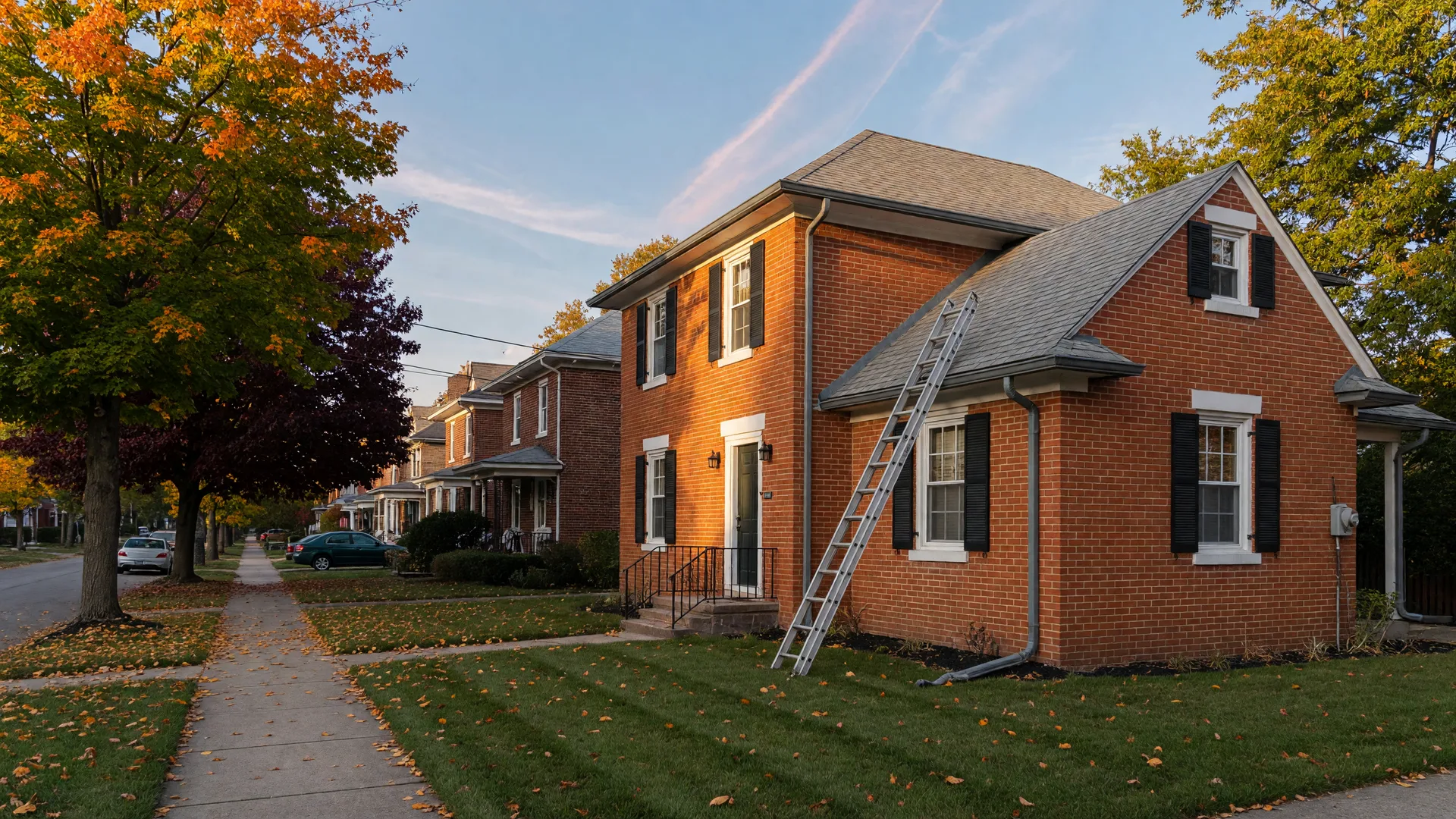
Outside, that means gutters that are clean and draining, downspouts that carry water away from the foundation rather than dumping it beside it, and soil that slopes away from the house instead of toward it. Leaves are the obvious culprit in the fall, but it's worth looking at the gutters during a heavy rain at least once a year, because that's when you see where water actually goes.
Inside, it means paying attention to the basement or crawl space after hard rains, testing the sump pump if you have one, and watching for small signs: a damp corner, a musty smell, a stain on a ceiling, a slow drip under a sink. Those are usually far cheaper to deal with when they're new.
A Louisville-specific note: if you've had sewage back up through a basement floor drain, shower, toilet, or sink during heavy rain, Louisville MSD's Plumbing Modification Program may help with devices to prevent overflows, for properties that qualify. MSD also notes that basement sump pumps are not allowed to be connected to the sewer system. If you're not sure how yours is set up, it's worth finding out.
The Roof and the Big Systems Age on a Calendar
The roof, the heating and cooling system, and the water heater don't fail on a schedule, but they do have one. They wear out with time whether or not anything looks wrong.
Two habits help here. First, know how old they are. Kentucky's seller disclosure form (KREC Form 402) asks sellers for the age of the roof covering, the heating and cooling systems, and the water heater, along with any repair history. If you're going to be asked eventually, you may as well know now. Second, keep them serviced. Regular HVAC service is one of the simplest ways to extend a system's life and catch problems early.
What I wouldn't do is replace equipment that's working well just because of its age. A system that's running properly still has value. The point of knowing the age is to plan, so a replacement becomes a budgeted decision rather than an emergency in the middle of July or January.
Small Things That Turn Into Big Things
When sellers aren't sure whether a repair is worth doing, one question I ask is: will it cost more if I wait? That question is even more useful while you own the home, because you have time on your side.
Some examples of things that tend to grow:
- Failing caulk or flashing around windows, doors, and roof penetrations
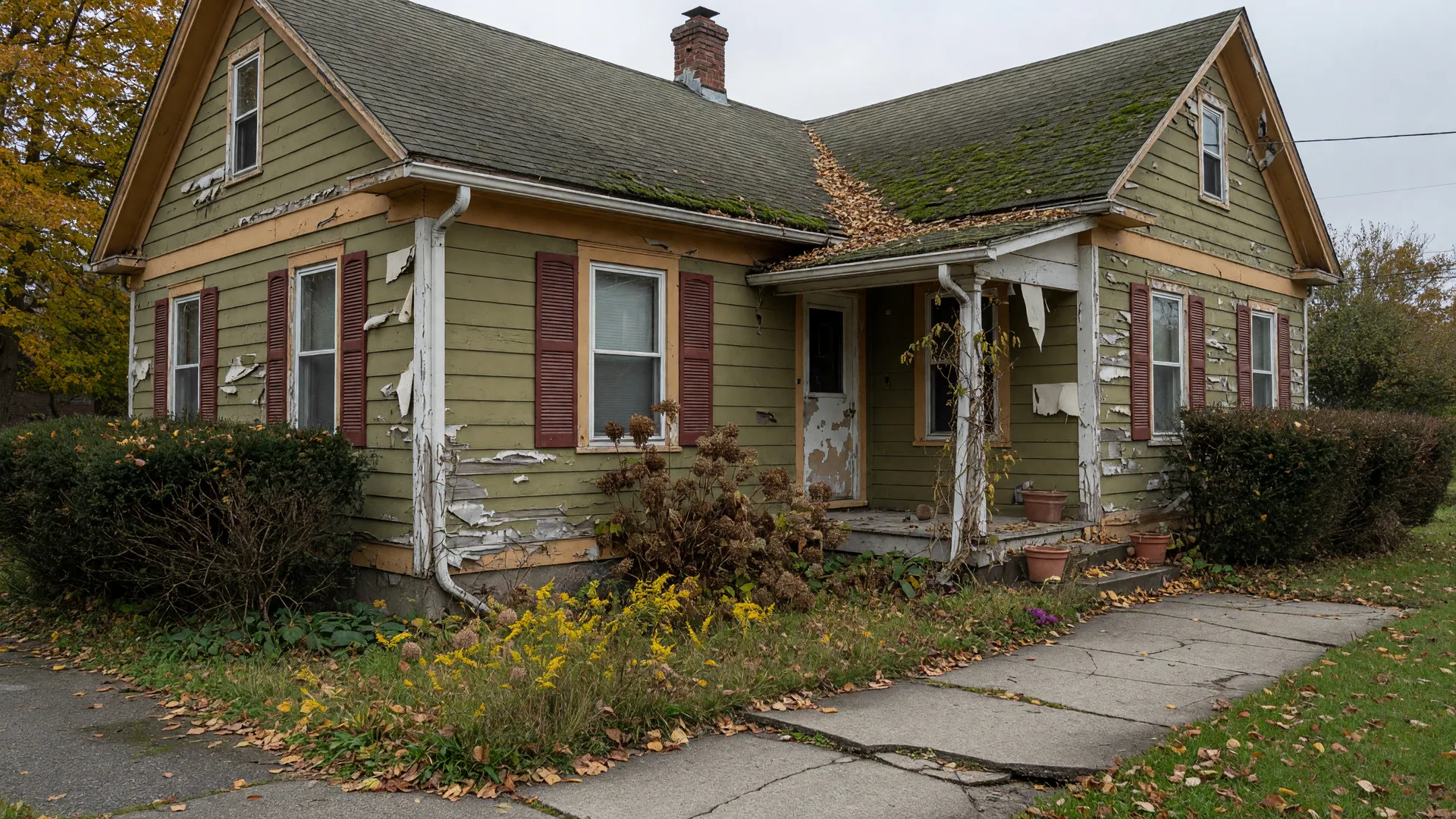
- Peeling paint on exterior wood trim, which can let moisture into the wood underneath
- Tree limbs touching the roof or hanging over it
- A small plumbing leak, or a toilet that rocks
- Cracks that are getting wider rather than staying the same
- A soft spot in a floor near a tub, shower, or exterior door
None of these is unusual, and most are inexpensive when they're caught early. Left alone, several of them become exactly the items buyers' inspectors write up.
If you're not sure whether something is cosmetic or a sign of something bigger, a licensed contractor or home inspector can usually tell you. That's often money well spent compared with guessing.
Radon: Test, and Know What the Results Mean
Radon is a naturally occurring radioactive gas that can build up in homes, and the only way to know your home's level is to test it. The Kentucky Radon Program recommends testing and notes that EPA recommends mitigation at 4 picocuries per liter (pCi/L) or higher.
One test isn't a permanent answer. EPA's A Citizen's Guide to Radon recommends testing again after a mitigation system is installed and periodically after that, after major renovations, and if you start using a lower level of the house as living space. For current guidance on test kits, results, and retesting, the Kentucky Radon Program is the right source, not me.
From a value standpoint, the Kentucky disclosure form asks whether radon testing has been done and whether a mitigation system is installed. Knowing the answer, and dealing with it if needed, is one less unknown when you eventually sell.
Keep the Paperwork
This is the easiest habit on the list, and one of the most overlooked. Keep a simple folder, paper or digital, with:
- Dates and receipts for roof, HVAC, water heater, and other major work
- Contractor names, permits, and any warranties
- Service records for the HVAC system
- Notes on any water, plumbing, or structural issue and how it was resolved
- Radon test results and mitigation details, if any
Buyers feel better about a home when they can see how it was cared for, and good documentation helps them trust what they're reading on the disclosure. In Kentucky, sellers disclose known issues even after they've been repaired, as I explain in What Repairs Should I Make Before Selling My Louisville Home? A record of a problem that was handled well reads very differently from a problem with no explanation.
Records also help outside of a sale. If you're reviewing your insurance after a major project, or asking your servicer whether improvements count toward removing PMI, the paperwork is what you'll need. I cover both in When Should I Reevaluate My Home's Value?
What Matters Less Than You'd Think
Keeping up with design trends isn't maintenance. Neither is replacing a working system early, or upgrading finishes beyond what homes around you sell for. Those can be perfectly good decisions for how you want to live, but they're a different question from protecting value. What Repairs Should I NOT Make Before Selling? walks through where owners most often overspend.
Older homes deserve a mention too. An older house isn't a value problem by itself, but it usually asks for more attention to systems, water, and the original materials. If you're weighing that tradeoff, Older vs. Newer Homes in Louisville covers what to expect.
A Simple Rhythm: Fall and Spring
You don't need an elaborate schedule. Two good checkups a year cover most of it.
In the fall, clean the gutters once the leaves are down, make sure downspouts are clear, have the heating system serviced, and look at the roof and exterior trim before winter. Louisville's freeze-and-thaw cycles are hard on anything that's already letting water in. Fall is also when I walk through homes with owners who expect to sell the following spring, which I describe in What Is the Best Time of Year to Sell a Home in Louisville? The same logic applies even if selling is years away: winter is a good time to plan the work.
In the spring, have the cooling system serviced, watch the basement or crawl space during the first heavy rains, check the grading and downspouts again, and look for anything winter loosened.
In between, the habit that matters most is simply not ignoring the small signs.
Frequently Asked Questions
Does regular maintenance actually increase my home's value?
Usually it protects value more than it increases it. A well-maintained home rarely sells for a premium just for being maintained. But visible neglect or a long inspection list can give buyers reasons to negotiate or walk away. Regular maintenance helps reduce those concerns.
Should I replace my roof or HVAC before it fails?
Not just because of its age. If it's working well, it still has value. The smarter move is to know how old it is, keep it serviced, and start budgeting as it gets older, so replacement is a planned decision rather than an emergency.
Is a home warranty a substitute for maintenance?
No. A home warranty is a service contract, and many exclude problems caused by a lack of maintenance, so read yours carefully. I explain how home warranties differ from builder warranties in Builder Warranty vs. Home Warranty: What's the Difference?
What maintenance records should I keep?
Dates, receipts, and contractor information for major work on the roof, HVAC, water heater, plumbing, and anything involving water or structure, plus service records, permits, warranties, and any radon test results. A simple folder is enough.
Do I have to disclose a problem I've already fixed?
In Kentucky, sellers disclose known issues on the seller disclosure form, including ones that have been repaired. That's exactly why documentation matters: a repair with records behind it is far more reassuring to a buyer than one without.
My basement gets damp after heavy rain. How serious is that?
It depends on the cause, but it's worth taking seriously early. Start with the outside: gutters, downspouts, and grading. If the dampness continues, a qualified contractor can help identify the source. If water is coming up through floor drains or fixtures during heavy rain, contact Louisville MSD about the Plumbing Modification Program.
Bottom Line
Most of the value homeowners lose isn't lost to the market. It's lost to water, to aging systems nobody planned for, and to small problems that were left alone long enough to become big ones. Keep water away from the house, know the age of your roof and systems and keep them serviced, deal with small things while they're small, and keep a record of it all. That's not glamorous, but it's what keeps a home in the category buyers trust.
Call to Action
If you'd like a second set of eyes on what's worth doing now and what can wait, especially if selling might be a few years out, I'd be happy to walk through it with you. No pressure, no obligation. Just an honest conversation. Call 502-429-3866.
About Tim Hollinden
Tim Hollinden is a former home builder and Broker Associate with The Hollinden Team at eXp Realty. For more than 24 years, he has completed over 1,650 real estate transactions throughout Greater Louisville by combining builder knowledge with practical, evidence-based real estate advice.